
You’ve probably exhausted your usual word game rotation, and scrolling through endless options online hasn’t helped much. The truth is, not all word games deserve your attention—some rely on tired formats, while others lack the depth to keep you engaged beyond a few rounds. We’ve narrowed down nine standout options that actually challenge your vocabulary, reward clever thinking, and fit different moods and group sizes.
| Limited Vocabulary Creative Word Game for Adults | 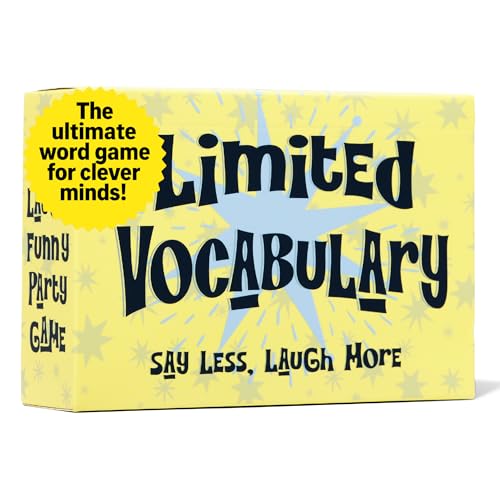 | Best Overall | Player Count: 3-8 players | Age Range: 15+ | Game Duration: Not specified | VIEW LATEST PRICE | Read Our Analysis |
| Genius Games Nerd Words: Science! Party Game |  | Best Educational | Player Count: 2-12 players | Age Range: 8th graders to 80-somethings (approximately 13+) | Game Duration: 20-40 minutes | VIEW LATEST PRICE | Read Our Analysis |
| OFF TOPIC Get The Picture Card Game |  | Best For Parties | Player Count: 2+ players | Age Range: 17+ | Game Duration: 15+ minutes per round | VIEW LATEST PRICE | Read Our Analysis |
| Play On Words Card Game for All Ages |  | Best All-Ages | Player Count: 1-4 players or teams | Age Range: 8+ | Game Duration: Not specified (quick setup) | VIEW LATEST PRICE | Read Our Analysis |
| Chronicle Books Quicktionary Lightning-Fast Wordplay Game |  | Best Fast-Paced | Player Count: 2+ players | Age Range: 12+ | Game Duration: Not specified | VIEW LATEST PRICE | Read Our Analysis |
| Spy Alley – Mensa Award-Winning Strategy Game | 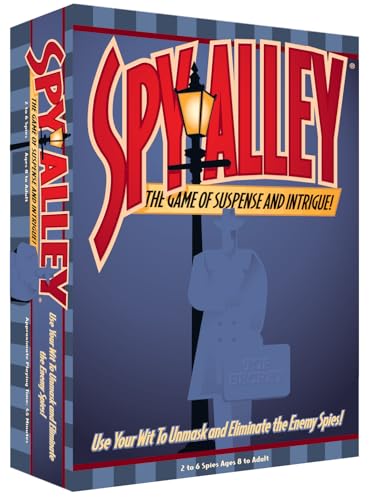 | Best Strategy | Player Count: 2-6 players | Age Range: 8+ | Game Duration: Not specified | VIEW LATEST PRICE | Read Our Analysis |
| Asmodee So Clover! Cooperative Party Board Game | 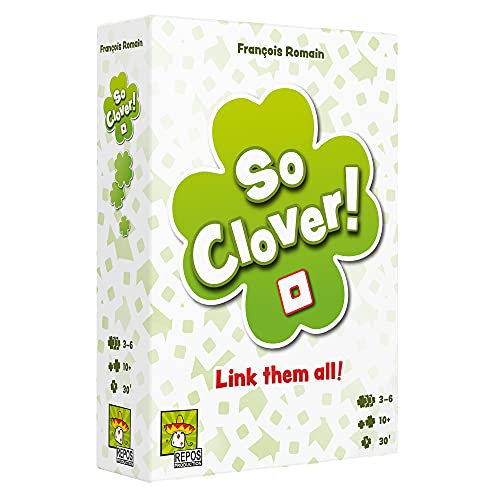 | Best Cooperative | Player Count: 3-6 players | Age Range: 10+ | Game Duration: 30 minutes | VIEW LATEST PRICE | Read Our Analysis |
| Word Strategy Game Travel Edition for Ages 8 | 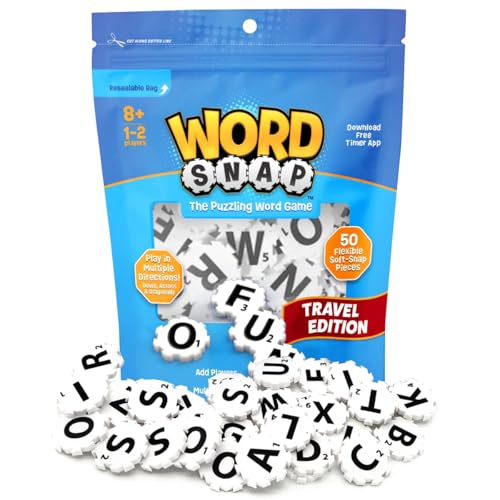 | Most Portable | Player Count: 1-2 players | Age Range: 8+ | Game Duration: Not specified | VIEW LATEST PRICE | Read Our Analysis |
| Foo – Gift for Programmers and Developers | 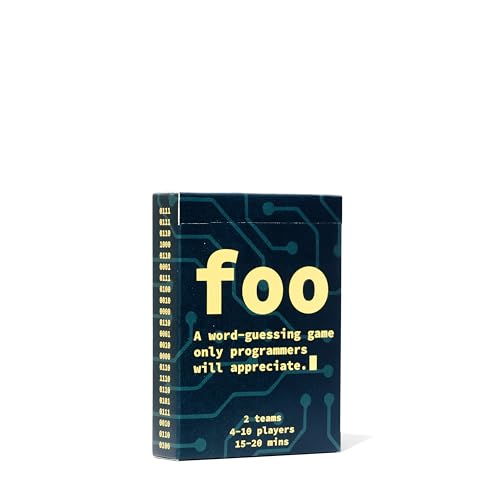 | Best For Programmers | Player Count: Teams (2+ players) | Age Range: Adults (programmers/CS students) | Game Duration: Timed rounds (race against clock) | VIEW LATEST PRICE | Read Our Analysis |
More Details on Our Top Picks
Limited Vocabulary Creative Word Game for Adults
Looking for a word game that rewards quick wit over a massive vocabulary? Limited Vocabulary challenges you to craft hilarious responses using only the cards you’re dealt. With 200+ cards creating thousands of combinations, you’ll write absurd dating profile reviews, roast your boss, or compose poems for your favorite team.
This party game accommodates 3-8 players ages 15+ and keeps things mostly SFW while allowing spicy creativity. Personalize prompts with inside jokes and group chat references for maximum laughs. Quick setup and easy-to-learn rules mean you’ll spend more time creating comedic chaos than reading instructions. Perfect for word nerds and pun-lovers alike.
- Player Count:3-8 players
- Age Range:15+
- Game Duration:Not specified
- Game Type:Creative word response game
- Portability:Card game (portable)
- Learning Difficulty:Quick to set up and easy to learn
- Additional Feature:200+ cards included
- Additional Feature:Customizable prompts feature
- Additional Feature:Mostly SFW content
Genius Games Nerd Words: Science! Party Game
The wagering system rewards early guesses with higher points but penalizes overconfidence, adding thrilling risk-reward tension. With 2–12 players and over 400 terms ensuring fresh gameplay, you’ll enjoy 20–40 minutes of vocabulary-expanding competition.
- Player Count:2-12 players
- Age Range:8th graders to 80-somethings (approximately 13+)
- Game Duration:20-40 minutes
- Game Type:Scientific word deduction game
- Portability:Not specified
- Learning Difficulty:Not specified (challenging vocabulary)
- Additional Feature:Four 60-second rounds
- Additional Feature:Wagering mechanic included
- Additional Feature:400+ words available
OFF TOPIC Get The Picture Card Game
Get The Picture delivers a fresh twist on word games by challenging you to decode images instead of letters. You’ll sound out pictures on each card to reveal famous people—from celebrities to historical figures. It’s incredibly accessible, taking less than 10 seconds to learn but providing 15+ minutes of engaging gameplay.
You don’t need pop culture expertise to enjoy this game. It works perfectly with two players or larger groups, making it ideal for parties, family gatherings, or team events. The compact size means you can easily pack it for trips or parties.
Suitable for ages 17+, it makes an excellent gift for word puzzle enthusiasts seeking something different.
- Player Count:2+ players
- Age Range:17+
- Game Duration:15+ minutes per round
- Game Type:Visual word puzzle (sound out images)
- Portability:Small and easy to bring along
- Learning Difficulty:Less than 10 seconds to learn
- Additional Feature:Sound-out image puzzles
- Additional Feature:Celebrity/historical figure focus
- Additional Feature:10-second learning time
Play On Words Card Game for All Ages
Whether you’re hosting family game night or searching for a portable activity that travels well, Play On Words delivers award-winning entertainment for ages 8 and up. This Parents’ Choice Foundation Silver Honor recipient challenges 1–4 players to create words using an 80-card deck featuring flip cards, combo cards, and wild cards.
You’ll appreciate the no-rush format that encourages creativity and conversation over speed. Clear instructions get you playing within minutes, with both regular and solitaire versions included. The game strengthens spelling skills and vocabulary while remaining accessible and fun.
Teachers and families love its compact design for classrooms or travel, making it an excellent gift for word game enthusiasts.
- Player Count:1-4 players or teams
- Age Range:8+
- Game Duration:Not specified (quick setup)
- Game Type:Word-making/spelling game
- Portability:Portable, compact packaging
- Learning Difficulty:Clear, easy-to-learn instructions
- Additional Feature:Parents’ Choice Silver Honor
- Additional Feature:80-card deck included
- Additional Feature:Solitaire version included
Chronicle Books Quicktionary Lightning-Fast Wordplay Game
Lightning-fast reflexes meet vocabulary prowess in Chronicle Books Quicktionary, making it the ideal choice for players who thrive under pressure and love competitive wordplay. You’ll draw three prompt cards and race to create a word meeting all criteria—like “Contains a W,” “Has an odd number of letters,” and “Associated with school” (answer: WRITE!).
With 102 prompt cards, you’ll face nearly endless combinations that’ll test your linguistic agility. The rules are simple to learn, so you’ll spend less time reading instructions and more time battling fellow word nerds. Perfect for ages 12+ and groups of two or more players.
- Player Count:2+ players
- Age Range:12+
- Game Duration:Not specified
- Game Type:Word creation with prompt criteria
- Portability:Card game (portable)
- Learning Difficulty:Simple to learn, easy rules
- Additional Feature:102 prompt cards
- Additional Feature:Triple-prompt combination system
- Additional Feature:Nearly endless possibilities
Spy Alley – Mensa Award-Winning Strategy Game
Word nerds who crave strategic thinking beyond vocabulary will find their perfect match in Spy Alley, a Mensa-approved deduction game that’s captivated players for over three decades. You’ll employ bluffing and social deduction to unmask hidden spies while protecting your own secret identity. This espionage thriller earned Australian Game of the Year and Chicago Tribune’s Top Ten Games honors for good reason.
Designed for 2-6 players ages 8+, it’s scaled perfectly for family gatherings and adult game nights alike. With 4.6 stars from 2,326 reviews, you’ll discover why this strategy classic keeps players coming back year after year, delivering endless replayability through suspenseful misdirection and clever tactical play.
- Player Count:2-6 players
- Age Range:8+
- Game Duration:Not specified
- Game Type:Hidden identity strategy with deduction
- Portability:Board game (9.25 x 2.5 x 13 inches, 2.18 lbs)
- Learning Difficulty:Not specified (strategy game)
- Additional Feature:Mensa Best Mind Game
- Additional Feature:30+ years legacy
- Additional Feature:Hidden identity mechanic
Asmodee So Clover! Cooperative Party Board Game
Looking for a word game that brings your whole group together instead of pitting you against each other? So Clover! delivers cooperative fun where you’ll work as a team to crack each player’s clever word associations. You’ll write clues on a clover-shaped board, creating connections between keywords that your teammates must decipher.
With 880 different word combinations, ages 10 and up can enjoy quick 30-minute sessions that’ll keep game nights fresh. The simple mechanics make it easy to learn, but creating the perfect clues challenges your creativity. Track your team’s progress in the Record of Legends and beat your high score each round.
- Player Count:3-6 players
- Age Range:10+
- Game Duration:30 minutes
- Game Type:Cooperative word association
- Portability:Board game (9.06 x 6.3 x 6.46 inches, 1.41 lbs)
- Learning Difficulty:Easy to learn basics
- Additional Feature:880 different passwords
- Additional Feature:Record of Legends
- Additional Feature:Cooperative word association
Word Strategy Game Travel Edition for Ages 8
If you need a word game that fits in your carry-on and keeps restless kids engaged during long trips, WordSnap’s Travel Edition delivers board-free entertainment without the hassle of lost pieces or bulky packaging. The 50 soft-snap tiles connect vertically, horizontally, and diagonally to create dynamic crossword-like patterns without fixed grids. You’ll build unlimited layouts as tiles snap securely together with large, easy-to-read letters. Perfect for ages 8 and up, it works as a solo challenge or two-player competition. The resealable bag keeps everything organized, while the free timer app adds competitive excitement to your word-building sessions wherever you play.
- Player Count:1-2 players
- Age Range:8+
- Game Duration:Not specified
- Game Type:Crossword-style word building
- Portability:Travel edition with resealable bag
- Learning Difficulty:Not specified
- Additional Feature:50 soft-snap tiles
- Additional Feature:Board-free limitless play
- Additional Feature:Free timer app
Foo – Gift for Programmers and Developers
Programmers, developers, and software engineers finally have a word game that speaks their language. Foo challenges you to race against the clock, getting your team to guess programming terms without saying the obvious words. From inheritance to recursion, every card features terminology only coders will recognize and appreciate.
It’s perfect for dev meetups, office parties, hackathons, and conferences, instantly sparking conversation and laughter. Warning: non-programmers won’t have a clue what you’re talking about. Whether you’re shopping for CS students or seasoned developers, this game makes an ideal gift that combines technical knowledge with competitive fun.
- Player Count:Teams (2+ players)
- Age Range:Adults (programmers/CS students)
- Game Duration:Timed rounds (race against clock)
- Game Type:Word-guessing (Taboo-style)
- Portability:Card game (portable)
- Learning Difficulty:Not specified (programmers only)
- Additional Feature:Programming-specific terminology
- Additional Feature:Taboo-style gameplay
- Additional Feature:Hackathon/meetup focused
Factors to Consider When Choosing Word Games for Word Nerds
When you’re selecting word games for your collection, you’ll want to think about whether you prefer solo puzzles or group competitions, since some games accommodate one to six players while others work best with specific numbers. Consider how much time you’re willing to invest—both in learning complex rules and in actual gameplay, which can range from quick 15-minute rounds to hour-long strategic battles. You should also evaluate the vocabulary difficulty level that matches your skills and decide if you want the camaraderie of cooperative play or the thrill of head-to-head competition.
Player Count and Flexibility
Player count can make or break your word game experience, especially when you’re gathering fellow logophiles for game night. Look for games specifying flexible player counts or scalable options, such as “supports 2–12 players” or team configurations, to accommodate different group sizes.
Party-style word games that remain engaging with both small and large groups are ideal, ensuring rounds stay interactive as participants multiply. Quick, bite-sized rounds prevent long wait times that diminish engagement in larger gatherings.
Team or cooperative modes improve participation when your group’s uneven, like splitting 3–6 players into pairs. This flexibility keeps everyone involved regardless of attendance.
Finally, verify whether gameplay mechanics allow solo or pair play as a fallback option. You’ll appreciate this versatility when fewer word nerds can make it to game night.
Complexity and Learning Curve
Although word nerds thrive on linguistic challenges, you’ll want to match a game’s complexity to your group’s experience level and patience for rule-learning. Games with pre-set vocabulary and templates reduce setup time, letting you jump straight into play. Conversely, titles featuring layered clues or progressive difficulty extend the learning phase but reward dedicated players with deeper engagement.
Strategic elements like timing, wagering, or bluffing increase cognitive load, potentially slowing initial mastery. Consider whether you’re tackling light party wordplay or challenging scientific terminology—this spectrum directly affects how quickly everyone grasps the mechanics.
Solo or small-group formats typically ease learning compared to large-group games that introduce varied social dynamics. Choose based on who’s playing and how much instruction time you’re willing to invest upfront.
Game Duration and Pacing
Once you’ve assessed how quickly players can learn a game, you’ll need to decide how much time your group has to play it. Shorter games like So Clover! typically run around 30 minutes, offering quick rounds and faster pacing for sustained social energy. Travel editions or compact decks emphasize portability and brief play sessions suitable for on-the-go entertainment.
Word puzzles requiring rapid clue solving or timed rounds prioritize high tempo and quick decision-making. Games like Quicktionary deliver lightning-fast prompts that keep players engaged. Multi-round formats, such as Nerd Words: Science!’s four 60-second rounds, maintain brisk pacing while sustaining competitive momentum.
Most party word games fall within a 15–40 minute range, helping you match game length to your group’s energy and scheduling constraints.
Vocabulary Difficulty Level
How challenging should your word game be? If you’re a true word nerd, you’ll want vocabulary that matches your skill level. Beginner-friendly games ease you in with common prompts, while advanced options feature highly technical terms that’ll test your lexical limits.
Consider themed lexicons—games focusing on science, programming, or specialized domains require niche knowledge that elevates difficulty considerably. Look for large prompt decks with 400+ words; they provide broader variety and sustained challenge over repeated plays.
Clue-based and constraint-based formats dramatically increase difficulty by limiting acceptable word choices through specific criteria. Games designed for 8–12+ players or longer rounds naturally escalate as you’re forced to dig deeper into your vocabulary reserves, deploying progressively rarer words as common ones get exhausted.
Cooperative vs. Competitive Play
Will your word game nights thrive on camaraderie or rivalry? This choice fundamentally shapes your gaming experience. Cooperative word games prioritize team communication and shared problem-solving, where everyone wins or loses together through collaboration and consensus-building. You’ll work toward a single solution without direct competition, making errors less stressful and gameplay more inclusive.
Competitive formats flip this dynamic entirely. You’re racing against others, accumulating exclusive points through speed and strategic bluffing. Time limits add pressure, and penalties for incorrect guesses raise the stakes. Success depends on outperforming your opponents rather than supporting them.
Consider your group’s preferences carefully. Cooperative modes foster camaraderie and reduce performance anxiety, while competitive play energizes those who thrive under pressure and enjoy testing their skills against others.
Portability and Storage Needs
Beyond choosing your preferred play style, you’ll need to think about where you’ll actually play these games. If you’re frequently traveling or gaming outside your home, prioritize compact components like small card decks or tiles over bulky boards. Look for travel-friendly packaging such as resealable pouches or foldable boards that won’t consume precious luggage space.
Games supporting variable player counts without extra components prove invaluable when packing light. Quick setup times and short play sessions reduce clutter, making impromptu gaming sessions feasible anywhere. Durability matters too—sturdy cards and snap-together tiles withstand frequent transport better than flimsy materials.
For home use, you’ve got more flexibility with storage. Still, one-size-fits-all cases keep everything organized and protect your investment from wear and tear.
Replayability and Content Variety
When you’re investing in a word game, you’ll want one that stays fresh after dozens of sessions. Look for games with expansive card or prompt pools that prevent repetition within a single playthrough. The best options blend different themes, word constraints, and difficulty levels across rounds, ensuring each session feels distinct.
Games offering multiple modes—like timed rounds versus open-ended play, or solo versus team formats—multiply your entertainment value. Customization features such as user-generated prompts or personalized clues let you tailor content to your group’s interests, dramatically extending longevity.
Pay attention to mechanical variety too. Games incorporating different clue formats, variable boards, or rotating templates create fresh strategic challenges each time you play, transforming a simple word game into an endlessly engaging experience.
Age Appropriateness and Theme
Age appropriateness shapes which word games will resonate with your specific group and dictate how much you’ll enjoy the content. Most word-nerd games target audiences from 12-13+ through adults, though some accommodate players as young as 8 or cater specifically to teens (15+). You’ll find thematic framing shifts with age—younger players get clever vocabulary and puns, while mature audiences enjoy specialized jargon like programming terms or technical language. Parental guidance features help younger word nerds navigate non-explicit humor safely. Cooperative and party formats work best for mixed-age groups, reducing competitive pressure while maintaining inclusivity. Many games advertise cross-age appeal for both family game nights and adult gatherings, adjusting difficulty to match word-nerd sensibilities without alienating different age brackets.
Frequently Asked Questions
Can Word Games Help Improve Vocabulary and Language Skills in Children?
Yes, word games can substantially boost your child’s vocabulary and language skills. They’ll learn new words, improve spelling, enhance reading comprehension, and develop critical thinking abilities while having fun in an engaging, interactive way.
Are There Solo Word Games for People Who Prefer Playing Alone?
Yes, you’ll find plenty of solo word games. You can enjoy crossword puzzles, word searches, Boggle, Scrabble against computer opponents, or mobile games like Wordscapes and Wordle that you’ll play independently at your own pace.
How Long Does a Typical Word Game Session Last?
You’ll spend anywhere from 5 to 30 minutes on most word games. Quick puzzles like Wordle take just minutes, while games like Scrabble or Bananagrams can stretch into longer sessions if you’re really engaged.
What Makes a Word Game Suitable for Non-Native English Speakers?
You’ll find word games suitable for non-native speakers when they include visual hints, adjustable difficulty levels, translation options, common vocabulary instead of obscure words, and generous time limits that don’t pressure you during gameplay.
Do Word Games Work Well for Virtual Play With Remote Friends?
Yes, you’ll find word games excel at virtual play. You can use video chat platforms, dedicated gaming apps, or online versions of classics. They’re perfect for staying connected since they don’t require physical components or complex setups.

Leave a Reply