
You’ve probably experienced the frustration of buying a “family game” that either bores you to tears or completely loses your toddler’s attention within minutes. The truth is, most games fail because they’re designed for one age group with the other as an afterthought. Finding activities that genuinely engage both generations requires knowing what actually works—games that balance simple rules with real entertainment value, keeping everyone invested from start to finish.
| The Uzzle 3.0 Board Game for Ages 4 |  | Best For Ages 4+ | Minimum Age: 4+ | Number of Players: Solo or up to 4 players (unlimited with extra games) | Game Type: Block puzzle board game | VIEW LATEST PRICE | Read Our Analysis |
| Peaceable Kingdom Monkey Around Game for Toddlers | 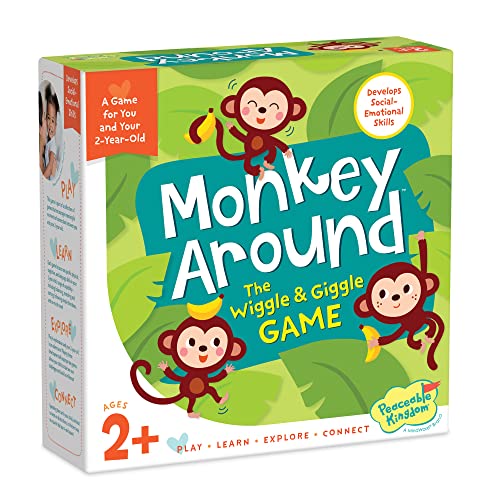 | Best For Toddlers | Minimum Age: 2+ | Number of Players: Parent and toddler (2 players) | Game Type: Active movement board game | VIEW LATEST PRICE | Read Our Analysis |
| Peaceable Kingdom Monkey Around Game for Toddlers | | Most Award-Winning | Minimum Age: 2+ | Number of Players: Parent and toddler (2 players) | Game Type: Active movement board game | VIEW LATEST PRICE | Read Our Analysis |
| Kids VS Parents Family Card Game with Challenges |  | Best For Bonding | Minimum Age: 4+ | Number of Players: Multiple players (kids vs parents teams) | Game Type: Card game with challenges | VIEW LATEST PRICE | Read Our Analysis |
| Do You Really Know Your Family? Game | 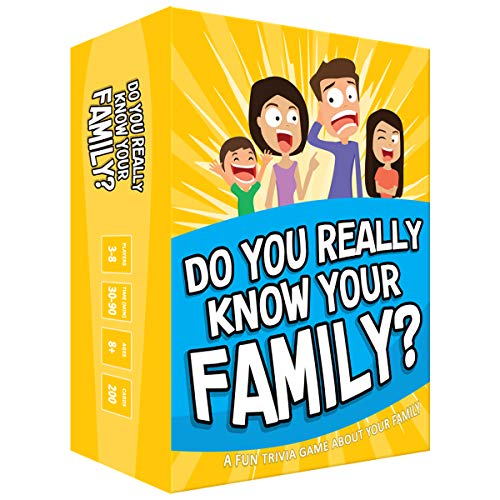 | Best Conversation Starter | Minimum Age: 8+ | Number of Players: Multiple players (family format) | Game Type: Card game with trivia and challenges | VIEW LATEST PRICE | Read Our Analysis |
| Family Dates 40 Scratch Off Adventure Cards |  | Best Screen-Free Fun | Minimum Age: 4+ | Number of Players: Multiple players (whole family) | Game Type: Scratch-off activity cards | VIEW LATEST PRICE | Read Our Analysis |
| Beat The Parents Family Trivia Game with Bonus Cards |  | Best Trivia Game | Minimum Age: 6+ | Number of Players: 2 to 6 players | Game Type: Trivia board game | VIEW LATEST PRICE | Read Our Analysis |
| TOMY Pop Up Pirate Board Game | 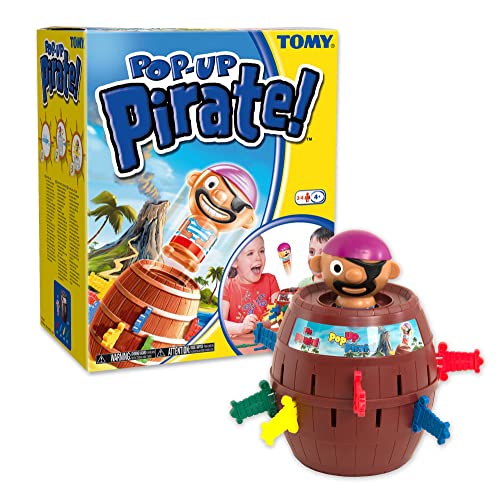 | Best Classic Game | Minimum Age: 4+ | Number of Players: 2-4 players | Game Type: Action board game | VIEW LATEST PRICE | Read Our Analysis |
| Escape Room The Game Family Edition | Most Challenging | Minimum Age: Not specified | Number of Players: Multiple players (teamwork required) | Game Type: Escape room puzzle game | VIEW LATEST PRICE | Read Our Analysis | |
| Coogam Wooden Tower Stacking Game with Dice | 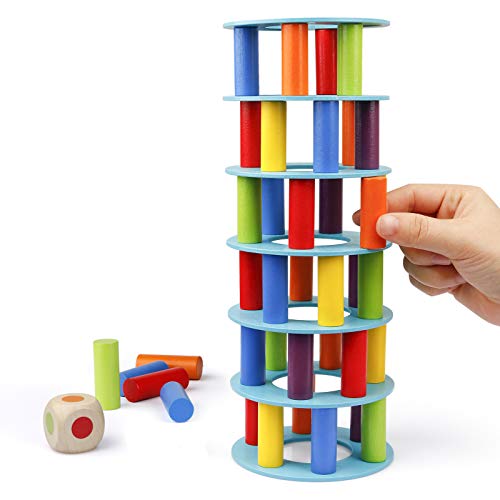 | Best Stacking Game | Minimum Age: 3+ | Number of Players: 2 or more players | Game Type: Stacking tower game with dice | VIEW LATEST PRICE | Read Our Analysis |
More Details on Our Top Picks
The Uzzle 3.0 Board Game for Ages 4
If you’re searching for a game that grows with your family, The Uzzle 3.0 Board Game delivers exactly that versatility. Your four-year-old can master Levels 1-2 while you tackle the adult-challenging Levels 3-4 across 100 unique puzzles. You’ll race to solve pattern cards by flipping, spinning, and merging five blocks—solo or with up to four players.
What makes this game exceptional is its five-minute learning curve combined with fast-paced gameplay that sharpens observation skills and hand speed. The improved 3.0 version features bigger blocks for easier handling. Over 150,000 families worldwide have chosen Uzzle for birthdays, holidays, and travel entertainment.
- Minimum Age:4+
- Number of Players:Solo or up to 4 players (unlimited with extra games)
- Game Type:Block puzzle board game
- Educational Benefits:Problem solving, cognitive skills, pattern-matching, decision-making
- Play Duration:Fast-paced (quick rounds)
- Giftability:Christmas, Easter, birthdays, back-to-school, travel
- Additional Feature:150,000 customers worldwide
- Additional Feature:Bigger blocks quality
- Additional Feature:Unlimited players possible
Peaceable Kingdom Monkey Around Game for Toddlers
Parents seeking their toddler’s first board game will find Peaceable Kingdom Monkey Around delivers active, interactive play designed specifically for ages 2 and up. Cards prompt you and your child to move together through hugs, high fives, balancing, hopping, and marching. The included beanbag banana adds playful tosses to the mix.
This award-winning game develops gross motor skills, coordination, spatial concepts, matching recognition, listening, and vocabulary. It’s designed with parent participation in mind, adapting to each child’s developmental pace. If your toddler isn’t ready to catch the banana, demonstrate shaping hands into a bowl—they’ll imitate and learn quickly.
Recognition includes Oppenheim Toy Portfolio Platinum Award and Parents Choice Silver Award.
- Minimum Age:2+
- Number of Players:Parent and toddler (2 players)
- Game Type:Active movement board game
- Educational Benefits:Gross motor skills, coordination, spatial concepts, vocabulary, listening
- Play Duration:Flexible (adaptable to toddler attention)
- Giftability:Award-winning, suitable for gifting
- Additional Feature:Beanbag banana included
- Additional Feature:Oppenheim Platinum Award
- Additional Feature:Adaptable to pace
Peaceable Kingdom Monkey Around Game for Toddlers
Your toddler’s first board game should get them moving, and the Peaceable Kingdom Monkey Around Game delivers exactly that. Designed for ages 2+, this award-winning game transforms play into active learning through hugs, high fives, balancing, hopping, and marching. Cards prompt you and your child to move together, while a beanbag banana adds extra fun.
The game builds gross motor skills, coordination, spatial awareness, and vocabulary through parent-child interaction. You’ll adapt activities to your child’s developmental pace—if they can’t catch the banana yet, shape their hands into a bowl and watch them imitate. Multiple awards recognize its excellence, including the Oppenheim Toy Portfolio Platinum Award.
- Minimum Age:2+
- Number of Players:Parent and toddler (2 players)
- Game Type:Active movement board game
- Educational Benefits:Gross motor skills, coordination, spatial concepts, vocabulary, listening
- Play Duration:Flexible (adaptable to toddler attention)
- Giftability:Award-winning, suitable for gifting
- Additional Feature:Beanbag banana included
- Additional Feature:Oppenheim Platinum Award
- Additional Feature:Adaptable to pace
Kids VS Parents Family Card Game with Challenges
Looking for a game that bridges the generation gap while keeping everyone entertained? Kids VS Parents delivers hilarious challenges and conversation starters that’ll have your family laughing together. You’ll team up with your kids against the grown-ups in trivia battles testing who knows whom best, while quick rounds keep everyone engaged without screens.
This fast-paced card game works perfectly for game nights, road trips, or holiday gatherings. You’ll appreciate how it sparks meaningful discussions alongside friendly competition. With family-friendly humor that resonates across ages, you’re getting unplugged bonding time that creates real connections and shared memories everyone will treasure.
- Minimum Age:4+
- Number of Players:Multiple players (kids vs parents teams)
- Game Type:Card game with challenges
- Educational Benefits:Family bonding, conversation skills
- Play Duration:Quick rounds
- Giftability:Birthdays, holidays, family bonding occasions
- Additional Feature:Screen-free rounds
- Additional Feature:Conversation starters included
- Additional Feature:Road trip suitable
Do You Really Know Your Family? Game
When elementary-aged kids and teens start craving more interactive family time, this conversation-driven card game delivers exactly what growing families need. You’ll compete by answering questions about each other, discovering surprising family insights along the way. It’s designed for ages 8 and up, making it perfect as your toddlers grow into elementary students.
The game sparks genuine conversations while incorporating silly challenges that create memorable moments. With 15,489 customer reviews averaging 4.6 stars and ranking #2 in dedicated deck card games, it’s proven effective at bringing families together. You’ll learn the rules quickly, then spend your time actually connecting rather than deciphering complicated instructions.
- Minimum Age:8+
- Number of Players:Multiple players (family format)
- Game Type:Card game with trivia and challenges
- Educational Benefits:Family knowledge, conversation skills
- Play Duration:Not specified
- Giftability:General family occasions
- Additional Feature:4.6 stars rating
- Additional Feature:15,489 customer reviews
- Additional Feature:#2 Dedicated Deck
Family Dates 40 Scratch Off Adventure Cards
Screen time battles wearing you down? Family Dates 40 Scratch Off Adventure Cards turns “I’m bored” into “What’s next?” This mom-and-dad designed deck contains 40 mystery activities hidden beneath scratch-off coating—perfect for toddlers through teens.
You’ll love that over half the dates are free and use items you already own. No budget-busting required. The surprise element keeps everyone engaged, from your 4-year-old to your eye-rolling tween.
Packaged in a compact 5×4-inch gift box, it’s ideal for Easter baskets, stockings, or “just because” moments. Each scratch reveals screen-free fun that actually gets your family laughing together.
- Minimum Age:4+
- Number of Players:Multiple players (whole family)
- Game Type:Scratch-off activity cards
- Educational Benefits:Screen-free engagement, family bonding
- Play Duration:Variable (40 different activities)
- Giftability:Birthdays, housewarmings, Valentine’s, Mother’s/Father’s Day, Easter, Hanukkah, Christmas, stocking stuffers
- Additional Feature:Scratch-off mystery format
- Additional Feature:Over half free
- Additional Feature:5×4 inch box
Beat The Parents Family Trivia Game with Bonus Cards
Beat The Parents Classic Family Trivia Game transforms ordinary game nights into exciting kids-versus-parents showdowns where the stakes are real—and hilarious. You’ll write wagers before playing, setting fun consequences like taking out the trash or buying pizza for the losing team. This Amazon Exclusive includes 200 trivia cards with separate questions for kids and parents, creating fair cross-generation challenges. The set comes with a gameboard, sand timer, player movers, wager board with stand, dry erase marker, 25 bonus cards, and instructions. Designed for 2-6 players ages 6 and up, it’s backed by Spin Master’s Care Commitment and their reputation for quality family entertainment.
- Minimum Age:6+
- Number of Players:2 to 6 players
- Game Type:Trivia board game
- Educational Benefits:Trivia knowledge, cross-generation learning
- Play Duration:Standard board game length
- Giftability:Family game night occasions
- Additional Feature:Wager mechanic included
- Additional Feature:25 bonus cards
- Additional Feature:Dry erase marker
TOMY Pop Up Pirate Board Game
Looking for a simple yet thrilling game that’ll keep your preschooler on the edge of their seat? TOMY Pop Up Pirate delivers nail-biting suspense with minimal setup. Your child takes turns sliding colorful swords into slots around a barrel while Pirate Pete hides inside. The catch? Nobody knows which slot will launch him skyward.
What makes this brilliant for family game night is the unpredictability. Each game randomizes the trigger slot, ensuring every round feels fresh. Perfect for 2-4 players ages four and up, it’s quick enough to hold toddler attention spans while entertaining enough that you won’t mind playing repeatedly. No reading required—just pure, jumpy fun.
- Minimum Age:4+
- Number of Players:2-4 players
- Game Type:Action board game
- Educational Benefits:Strategy, suspense tolerance
- Play Duration:Short (suspenseful rounds)
- Giftability:Family game night, winter break activities
- Additional Feature:Different slot each
- Additional Feature:Pirate flies up
- Additional Feature:Nerve-jangling suspense
Escape Room The Game Family Edition
Escape Room The Game Family Edition transforms your living room into an exciting mystery adventure where teamwork isn’t just helpful—it’s essential for success. You’ll race against the Chrono Decoder as it counts down from 60 minutes, creating genuine tension while providing helpful hints when you’re stuck.
This family edition includes three time-travel themed adventures: The Present, The Past, and The Future. Each challenge requires every player to contribute their unique perspective to solve riddles and puzzles before time expires.
You’ll win together or lose together—there’s no individual glory here. The Hint Decoder and cards ensure you won’t stay permanently stuck, making it accessible for kids and teens experiencing their first escape room challenge.
- Minimum Age:Not specified
- Number of Players:Multiple players (teamwork required)
- Game Type:Escape room puzzle game
- Educational Benefits:Problem-solving, teamwork, critical thinking
- Play Duration:60 minutes per escape room
- Giftability:Family entertainment occasions
- Additional Feature:Electronic Chrono Decoder
- Additional Feature:3 time travel
- Additional Feature:60 minute countdown
Coogam Wooden Tower Stacking Game with Dice
The Coogam Wooden Tower Stacking Game transforms traditional block stacking into an interactive challenge that’s perfect for families with toddlers aged 3 and up who need screen-free entertainment. You’ll build a tower using 36 colorful wooden blocks, then take turns rolling the dice to determine which color block to remove without toppling the structure.
The smooth, splinter-free solid wood blocks are safe for delicate hands and easy for toddlers to grip. While your child removes blocks, they’ll develop hand-eye coordination, fine motor skills, and color recognition. The compact size makes it portable for traveling, and it’s suitable for birthdays, holidays, or everyday family game nights with two or more players.
- Minimum Age:3+
- Number of Players:2 or more players
- Game Type:Stacking tower game with dice
- Educational Benefits:Hand-eye coordination, fine motor skills, visual-spatial skills, color recognition
- Play Duration:Variable (until tower falls)
- Giftability:Birthdays, Children’s Day, Christmas, rewards
- Additional Feature:Thick solid wood
- Additional Feature:No burrs splinter
- Additional Feature:Portable toddler size
Factors to Consider When Choosing Family Games for Toddlers and Parents
When selecting games for your toddler, you’ll need to evaluate several key factors to ensure a positive experience for everyone. Consider whether the difficulty level matches your child’s developmental stage, how much physical movement is involved, and the extent of parental involvement required. You should also think about what skills the game develops, how long it takes to play, and whether setup is manageable for busy families.
Age-Appropriate Difficulty Levels
How do you know if a game will challenge your toddler without overwhelming them? Look for games with clearly labeled difficulty levels—such as Levels 1–4—that match both toddler and parent capabilities. This structured progression lets you start with kid-friendly basics and advance to more challenging play as skills develop.
Choose games offering sequential learning curves that build pattern recognition, memory, and hand–eye coordination gradually. Shorter play times around 10–20 minutes work best, keeping attention spans engaged without frustration.
Check explicit age recommendations like 2+ or 4+, along with supervision guidelines that align with your child’s developmental stage. Ensure the game allows adjustable player counts and adaptable pacing so toddlers and adults participate meaningfully together. Simple rules that beginners grasp quickly reduce frustration and keep everyone engaged.
Physical Activity Requirements
Beyond cognitive challenge, physical movement plays a key role in keeping toddler games engaging and developmentally beneficial. You’ll want games that prompt active participation from everyone—hopping, reaching, or moving together creates shared energy that holds your toddler’s attention.
Look for clear prompts encouraging physical activity in short bursts. Toddlers thrive on brief, intense play sessions rather than prolonged exertion. Choose parent-led games where you can supervise and adjust movement intensity for safety while preventing overwhelm.
Duration matters significantly. Select games with short rounds matching your toddler’s limited attention span and energy reserves. The best options offer scalable movement levels—you can fully participate without making activities too demanding for little ones. This flexibility ensures everyone stays engaged without fatigue, creating truly enjoyable family moments.
Parent Participation Needed
What level of adult involvement does a game truly require? Look for games explicitly designed for parent–child interaction, where rules require caregivers to participate alongside your toddler. The best choices specify shared actions like turn-taking, cooperative tasks, or prompts that involve your guidance and modeling.
Prioritize games offering scalable involvement. You’ll want to adjust pace, difficulty, and support level to match your child’s developmental stage. Games should provide clear opportunities for you to demonstrate, prompt, and give feedback—helping your toddler stay engaged while learning new skills.
Avoid games relying solely on solo play or requiring minimal adult involvement. These reduce meaningful participation and miss the point of family gaming. Choose titles that make your active role central to the experience.
Learning and Development Goals
Active parent involvement sets the stage for meaningful play, but the games you select should also serve specific learning purposes. Target cognitive skills like pattern recognition, rapid decision-making, and problem-solving that align with your family’s developmental goals. Prioritize activities developing gross motor skills, coordination, and spatial awareness through movement-based or manipulative play.
Choose games with clear turn-taking, simple rules, and scalable difficulty so neither you nor your toddler feels frustrated. Look for opportunities that encourage language development—conversations about what’s happening, naming objects, or describing actions naturally arise during quality gameplay.
Select games with observable learning outcomes or progression across levels. This lets you track your child’s growth over time while maintaining engagement as their abilities evolve.
Game Duration and Setup
How long should a family game session last, and how quickly can you get started? For toddlers, aim for games under 15 minutes with setup times of one minute or less. This keeps little ones engaged before their attention wanders and prevents parents from losing interest.
Choose games with clear, simple rules you can explain in under a minute. Minimal reading requirements help younger players participate independently. Look for modular options with adjustable difficulty or multiple game modes—this scalability lets you customize play length for both toddlers and adults.
Prioritize compact, sturdy components that make cleanup effortless and allow quick resets between rounds. Games with relaxed pacing and predictable turns maintain calm sessions, reducing frustration for everyone at the table.
Safety and Material Quality
Safety comes first when selecting games for toddlers, so examine materials carefully before purchasing. You’ll want non-toxic, child-safe options with smoothly finished edges that won’t cause splinters or cuts on sensitive skin. Solid wood or BPA-free plastics offer durability to withstand rough handling by energetic young children.
Check age recommendations—typically 2–4+ years—and heed small-part warnings to avoid choking hazards. You’re looking for oversized, chunky components that little hands can easily grasp without swallowing risks. Look for clear safety certifications that verify quality standards have been met.
Pay attention to construction details like secure closures that prevent parts from detaching during play. These features ensure pieces stay intact even when your toddler inevitably tests the game’s durability through enthusiastic use.
Adaptability for Growing Skills
Beyond durability and safety features, you’ll want games that grow alongside your child’s developing abilities. Choose options with adjustable difficulty levels or tiered challenges that scale as motor and cognitive skills advance, ensuring engagement beyond the toddler years.
Prioritize games offering both solo modes and cooperative play with adults, supporting skill development at different paces. Look for components and rules that simplify for toddlers but expand for parents or older siblings, enabling smooth transitions between ages.
Favor games emphasizing progress tracking or measurable skills like fine motor precision and spatial awareness to demonstrate growth over time. Avoid highly abstract rules or fast-paced pressure that hinder early adaptability. Instead, opt for clear, gradual progression with supportive prompts that accommodate your child’s evolving capabilities.
Frequently Asked Questions
How Long Should Family Game Time Last for Toddlers?
Keep family game time with your toddler between 10-15 minutes initially. You’ll notice when they’re losing interest, so don’t force longer sessions. As they grow older and develop better attention spans, you can gradually extend playtime to 20-30 minutes.
What if My Toddler Loses Interest Halfway Through a Game?
That’s completely normal! Follow your toddler’s lead and wrap up the game when they’re done. You can always return to it later, or switch to a different activity that captures their interest.
Can Family Games Help With My Toddler’s Developmental Milestones?
Yes, family games considerably support your toddler’s development. They’ll improve fine motor skills through piece manipulation, enhance social-emotional learning via turn-taking, boost language through conversation, and strengthen cognitive abilities like problem-solving and memory retention.
How Do I Handle Tantrums When a Toddler Doesn’t Win?
Stay calm and acknowledge their feelings first. You can say, “I see you’re upset.” Then redirect their attention to what they enjoyed about the game rather than focusing on winning. Practice taking turns and celebrating effort over outcomes consistently.
Should We Let Toddlers Win Games or Teach Honest Competition?
You’ll want to balance both approaches. Let toddlers win sometimes to build confidence, but also introduce honest competition gradually. This teaches resilience while keeping games fun and age-appropriate for their developing emotional skills.

Leave a Reply