
You’ve likely noticed how even simple decisions feel harder when you’re mentally drained—recalling names, tracking conversations, or thinking three steps ahead in everyday situations. Board games offer more than entertainment; they’re structured workouts for your brain that disguise cognitive training as competitive fun. The right games challenge your working memory, pattern recognition, and rapid decision-making while you’re engaged with friends or family. Here’s how seven carefully selected titles can strengthen these mental muscles.
| Spy Alley Strategy & Bluffing Board Game | 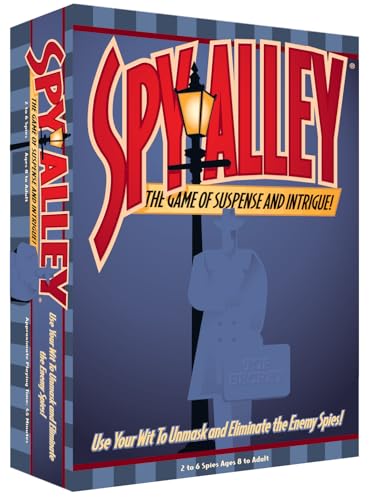 | Best Overall | Player Count: 2-6 players | Age Range: Ages 8+ | Playtime Duration: Not specified | VIEW LATEST PRICE | Read Our Analysis |
| Fire Tower Board Game Deluxe Edition |  | Most Strategic | Player Count: 2-4 players (implied from variants) | Age Range: Ages 10+ | Playtime Duration: 15-30 minutes | VIEW LATEST PRICE | Read Our Analysis |
| Foros 3D Strategy Board Game for Family |  | Best For Families | Player Count: 2+ players (implied from gameplay) | Age Range: Kids, teens, adults | Playtime Duration: Fast-paced rounds | VIEW LATEST PRICE | Read Our Analysis |
| Tsuro – The Game of The Path |  | Quick Play Pick | Player Count: 2-8 players | Age Range: Ages 8+ | Playtime Duration: 15-20 minutes | VIEW LATEST PRICE | Read Our Analysis |
| ThinkPsych Golden Memories Conversation Game for Seniors |  | Best For Seniors | Player Count: 2+ players (adaptable groups) | Age Range: Seniors | Playtime Duration: Variable session length | VIEW LATEST PRICE | Read Our Analysis |
| Ravensburger Junior Memory Picture Matching Game for Kids |  | Best For Kids | Player Count: 2+ players (implied) | Age Range: Ages 3+ | Playtime Duration: Under 5 minutes setup/quick play | VIEW LATEST PRICE | Read Our Analysis |
| TDC Games Senior Moments Memory Game for Adults |  | Best Party Game | Player Count: 2+ players | Age Range: Adults (40+, 50+, 60+) | Playtime Duration: Not specified | VIEW LATEST PRICE | Read Our Analysis |
More Details on Our Top Picks
Spy Alley Strategy & Bluffing Board Game
You’ll sharpen your memory and quick thinking as you conceal your spy identity while deducing opponents’ hidden roles. The game’s social deduction mechanics demand constant attention to players’ moves, creating mental agility through strategic misdirection.
Suitable for 2-6 players ages 8+, Spy Alley offers high replayability that scales from family game nights to competitive adult gatherings. With 4.6/5 stars from 2,326 reviews, it’s proven its staying power as a cognitive-enhancing entertainment choice.
- Player Count:2-6 players
- Age Range:Ages 8+
- Playtime Duration:Not specified
- Learning Difficulty:Easy to learn
- Game Type:Strategy, bluffing, deduction
- Replayability:High replayability
- Additional Feature:Mensa Best Mind winner
- Additional Feature:Hidden identity mechanic
- Additional Feature:WWII spymaster tribute
Fire Tower Board Game Deluxe Edition
Since Fire Tower requires constant vigilance over an evolving game board where flames spread in unpredictable patterns each turn, it’s ideal for players who want to strengthen their spatial memory and rapid tactical decision-making. You’ll track fire movement in wind direction, remember which cards opponents have played, and quickly assess whether to defend your tower or redirect flames toward rivals. Each 15-30 minute session demands you calculate firebreak placements, anticipate wind changes, and recall available resources. The Deluxe Edition enhances this experience with 135 fire gems, custom meeples, and an engraved wind die. Even eliminated players continue as the Shadow of the Wood, maintaining engagement throughout.
- Player Count:2-4 players (implied from variants)
- Age Range:Ages 10+
- Playtime Duration:15-30 minutes
- Learning Difficulty:Minutes to learn
- Game Type:Competitive strategy
- Replayability:High replayability
- Additional Feature:Shadow of the Wood
- Additional Feature:135 fire gems included
- Additional Feature:Original watercolor artwork
Foros 3D Strategy Board Game for Family
The Foros 3D Strategy Board Game stands out with its vertical gameplay that forces players to think spatially while racing against opponents to connect four pieces across, up, or diagonally through multiple levels. You’ll sharpen your problem-solving skills and logic as you navigate the three-dimensional board, constantly adjusting strategies based on opponents’ moves. The double-sided board offers three unique play modes, including solo challenges and team competitions, ensuring endless replayability. MESH-accredited for learning, it’s ideal for family game nights, classrooms, or STEM activities. The premium wooden design doubles as elegant coffee table decor between fast-paced rounds that engage kids, teens, and adults alike.
- Player Count:2+ players (implied from gameplay)
- Age Range:Kids, teens, adults
- Playtime Duration:Fast-paced rounds
- Learning Difficulty:Easy to learn
- Game Type:Strategy, connection race
- Replayability:Endless replayability
- Additional Feature:Connect four 3D
- Additional Feature:MESH Accredited Learning
- Additional Feature:Double-sided board
Tsuro – The Game of The Path
Looking for a fast-paced strategy game that accommodates everything from intimate date nights to large family gatherings? Tsuro challenges 2-8 players to navigate an ever-changing maze created collectively during gameplay. You’ll place path tiles strategically while anticipating opponents’ moves, forcing you to think several steps ahead as the board evolves. Each 15-20 minute session sharpens spatial reasoning and adaptive thinking since the path configuration changes every game. The straightforward mechanics make it accessible for ages 8+, yet the strategic depth keeps experienced players engaged. With its stunning Asian-themed design, Tsuro serves double duty as attractive décor between gaming sessions.
- Player Count:2-8 players
- Age Range:Ages 8+
- Playtime Duration:15-20 minutes
- Learning Difficulty:Easy to learn, quick to play
- Game Type:Strategy, path-building
- Replayability:Path changes every game
- Additional Feature:Asian themed design
- Additional Feature:35 Path Tiles
- Additional Feature:Dragon pawns included
ThinkPsych Golden Memories Conversation Game for Seniors
While many memory games focus solely on cognitive challenges, ThinkPsych Golden Memories stands out as the ideal choice for seniors who benefit most from connection and conversation rather than competition. This psychologist-designed game uses evidence-based reminiscence therapy through 160 thoughtful prompts printed on durable, large-print cards.
You’ll find it perfect for one-on-one sessions, family gatherings, or memory care facilities. The conversation starters encourage seniors to share life experiences, improving mood and social engagement while preserving family histories. It’s an ideal retirement or birthday gift that creates meaningful activities and fosters intergenerational bonding. The sturdy storage box ensures long-lasting enjoyment.
- Player Count:2+ players (adaptable groups)
- Age Range:Seniors
- Playtime Duration:Variable session length
- Learning Difficulty:Simple conversational format
- Game Type:Conversation, reminiscence
- Replayability:160 unique prompts
- Additional Feature:Reminiscence therapy based
- Additional Feature:160 thoughtful prompts
- Additional Feature:Memory care suitable
Ravensburger Junior Memory Picture Matching Game for Kids
Young learners need games that grow with them, and Ravensburger Junior Memory® Game delivers exactly that for children as young as three years old. You’ll find 32 vivid images of everyday items that children easily recognize, making the matching process intuitive and engaging.
The game’s simple instructions mean you’ll start playing in under five minutes. While your child enjoys matching colorful pictures, they’re simultaneously boosting memory, focus, and matching skills that support cognitive development.
Ravensburger’s quality materials ensure this trusted game combines fun and learning effectively. It’s an ideal gift that strengthens essential thinking skills while keeping young minds entertained and challenged.
- Player Count:2+ players (implied)
- Age Range:Ages 3+
- Playtime Duration:Under 5 minutes setup/quick play
- Learning Difficulty:Simple instructions
- Game Type:Picture matching, memory
- Replayability:Repeated matching practice
- Additional Feature:32 vivid images
- Additional Feature:Trusted by generations
- Additional Feature:Five minute setup
TDC Games Senior Moments Memory Game for Adults
It’s designed specifically for aging adults, making it the perfect gift for milestone birthdays like 40th, 50th, or 60th celebrations. The game’s playful theme acknowledges those frustrating moments when you can’t find your keys or remember why you entered a room. You’ll enjoy this entertaining, family-friendly activity during holidays and gatherings while giving your memory a genuine workout alongside parents and grandparents.
- Player Count:2+ players
- Age Range:Adults (40+, 50+, 60+)
- Playtime Duration:Not specified
- Learning Difficulty:Not specified
- Game Type:Memory testing, trivia
- Replayability:Hundreds of lists
- Additional Feature:Hundreds of zany lists
- Additional Feature:Birthday party suitable
- Additional Feature:Find lost keys theme
Factors to Consider When Choosing Board Games That Help Improve Memory & Thinking
When you’re selecting a memory-boosting board game, you’ll want to match it to your specific needs and circumstances. Consider whether the game targets the right cognitive skills for your goals, fits your available time, and works with your typical group size. You should also evaluate if the difficulty level suits your abilities and whether the game offers enough replay value to justify your investment.
Age Appropriateness and Difficulty
Choosing a board game that matches your players’ ages and skill levels directly impacts how effectively it sharpens cognitive abilities. Younger players need simpler rules to stay engaged, while older participants benefit from complex challenges that exercise memory and executive function. Look for games emphasizing strategic planning and pattern recognition—these mechanics support memory retention and flexible thinking across all age ranges.
Scale difficulty with cognitive demands by selecting titles that offer progressively challenging tasks. This approach maintains engagement and promotes cognitive growth over time. For mixed-age groups, choose games with adjustable difficulty levels to ensure everyone remains mentally stimulated.
Game Duration and Pace
How long should your ideal memory-boosting board game last? Short to mid-length games (15–30 minutes) work best for repeated play and sustained cognitive engagement without mental fatigue. These faster rounds minimize downtime, keeping you mentally active while reinforcing memory through rapid recall and pattern recognition.
If you’re seeking deeper strategic thinking, moderate-length games (30–60 minutes) balance complex planning with manageable attention spans, supporting longer-term memory development and decision-making skills.
Look for games with quick-start rules and intuitive setup—you’ll begin exercising memory and thinking practices sooner in each session. Consider varying your session length too: combine shorter warm-up games with longer strategic ones to optimize cognitive load and reinforce flexible thinking across different mental challenges.
Cognitive Skills Targeted
Not all board games train your brain the same way—each targets distinct cognitive abilities that shape how you think, remember, and respond under pressure.
Look for games that strengthen working memory by requiring you to track rules, sequences, and positions of cards or tiles across multiple turns. You’ll also want options that develop cognitive flexibility, prompting you to switch strategies as game states or opponent actions change.
Spatial reasoning improves through games involving piece placement, connection-building, or navigating multi-level boards. Pattern recognition sharpens when you recall visual cues and previous moves embedded in game components.
For processing speed and attention, choose fast-paced rounds with time-limited decisions and quick pattern-matching challenges that keep your mind sharp and responsive.
Player Count Flexibility
Beyond selecting games for their cognitive targets, you’ll need to match them to your typical group size. Memory- and thinking-enhancing games often support 2 to 8+ players, letting you adjust difficulty and social dynamics. Smaller groups demand intense focus from each player, while larger gatherings distribute memory tasks and decision-making responsibilities across more participants.
This flexibility transforms replay value. Different player counts create new turn orders, strategic planning challenges, and pattern-recognition opportunities each session. Cooperative or semi-cooperative formats particularly benefit from variable numbers, maintaining cognitive engagement through shared memory workloads.
Check each game’s listed player range—typically marked as “2+,” “2–6 players,” or similar—to ensure activities align with your group’s cognitive load and attention spans. Scalable games adapt seamlessly whether you’re practicing solo, competing head-to-head, or hosting game nights.
Replayability and Long-Term Value
Why invest in a board game that loses its appeal after a handful of sessions? High replayability ensures continued cognitive engagement, delivering fresh challenges that prevent your brain from slipping into autopilot mode. Look for games offering multiple modes—solo challenges, team play, or alternate victory conditions—that sustain long-term interest through varied problem-solving demands.
Variable setups matter enormously. Changing boards, 3D layouts, or rotating paths create new strategic landscapes between sessions, supporting ongoing memory and thinking training. Quick-to-learn games with 15–30 minute sessions enable frequent practice without mental fatigue, reinforcing strategic planning over time.
Consider deluxe or modular editions that offer expansions. These introduce novel mechanics and greater depth, extending your investment’s value while continually challenging your cognitive abilities with increasingly complex scenarios.
Frequently Asked Questions
How Often Should I Play Memory Games to See Cognitive Improvements?
You’ll see cognitive improvements by playing memory games for 15-30 minutes daily, at least 3-5 times per week. Consistency matters more than duration, so you’ll benefit most from regular practice over several weeks or months.
Can Board Games Help Prevent Age-Related Memory Decline?
Yes, regular board game play can help slow age-related memory decline. You’ll strengthen neural connections and maintain cognitive flexibility through strategic thinking, pattern recognition, and social interaction. Consistency matters—you’ll see better results with frequent play sessions.
Are Digital Versions of Memory Games as Effective as Physical Boards?
You’ll find digital versions offer similar cognitive benefits, but physical boards provide better tactile engagement and social interaction. Both work effectively for memory improvement, though you shouldn’t rely exclusively on screens for optimal brain health.
What Age Should Children Start Playing Memory-Focused Board Games?
You can start introducing memory-focused board games to children around age 3. They’ll benefit from simple matching games at this stage. By age 5, they’re ready for more complex memory challenges that’ll considerably improve their cognitive skills.
Do Competitive or Cooperative Games Better Improve Thinking Skills?
Both game types improve thinking skills differently—you’ll develop strategic planning through competitive games, while cooperative ones enhance your communication and collaborative problem-solving. You’ll get the best results by playing a mix of both styles regularly.

Leave a Reply