
You’re staring at your game shelf, wondering which strategy board game will actually challenge your tactical mind. Not every box that promises deep gameplay delivers on that claim, and you’ve probably suffered through enough luck-driven snooze-fests to know the difference. The best strategy games force you to weigh every decision, adapt to opponents’ moves, and accept that one miscalculation can cost you the win. Here’s what separates genuinely brilliant strategy games from the rest.
| Spy Alley Strategy Board Game (Ages 8+) | 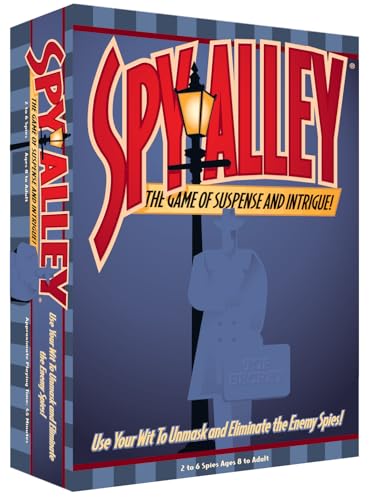 | Best Hidden Identity | Player Count: 2-6 players | Age Range: Ages 8+ | Playtime: Not specified | VIEW LATEST PRICE | Read Our Analysis |
| Tsuro: The Game of The Path Board Game |  | Best For Families | Player Count: 2-8 players | Age Range: Ages 8+ | Playtime: 15-20 minutes | VIEW LATEST PRICE | Read Our Analysis |
| Asmodee 7 Wonders Board Game (New Edition) |  | Most Strategic Depth | Player Count: 3-7 players | Age Range: Ages 10+ | Playtime: 30 minutes | VIEW LATEST PRICE | Read Our Analysis |
| Trekking the World 2nd Edition Board Game |  | Most Educational | Player Count: 1-5 players | Age Range: Ages 10+ | Playtime: Not specified | VIEW LATEST PRICE | Read Our Analysis |
| Hasbro Clue Conspiracy Board Game for Adults | 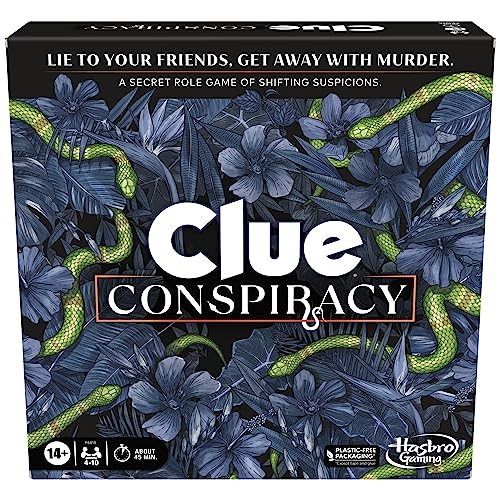 | Best Party Game | Player Count: 4-10 players | Age Range: Ages 14+ | Playtime: 45 minutes | VIEW LATEST PRICE | Read Our Analysis |
| Gamewright Forbidden Island Cooperative Strategy Board Game |  | Best Cooperative Game | Player Count: 2-4 players | Age Range: Ages 10+ | Playtime: Not specified | VIEW LATEST PRICE | Read Our Analysis |
| Azul Board Game – Tile-Placement Strategy Game | 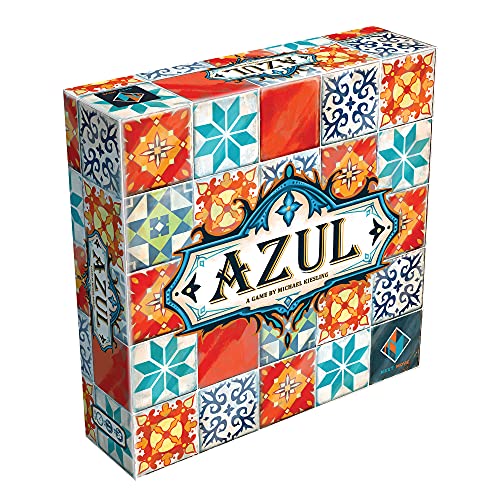 | Best Overall | Player Count: 2-4 players | Age Range: Not specified (family-friendly) | Playtime: 30-45 minutes | VIEW LATEST PRICE | Read Our Analysis |
| Spy Alley Strategy Board Game (Ages 8+) | | Editor’s Choice | Player Count: 2-6 players | Age Range: Ages 8+ | Playtime: Not specified | VIEW LATEST PRICE | Read Our Analysis |
| Plunder Strategy Board Game for Family (2-6 Players) |  | Best Thematic Experience | Player Count: 2-6 players (plus team play) | Age Range: Ages 10+ | Playtime: Average 20 minutes per player | VIEW LATEST PRICE | Read Our Analysis |
| Standard Edition Strategy Board Game for Adults |  | Most Unique | Player Count: 2-4 players | Age Range: Ages 14+ | Playtime: 1-2 hours | VIEW LATEST PRICE | Read Our Analysis |
More Details on Our Top Picks
Spy Alley Strategy Board Game (Ages 8+)
Why does Spy Alley continue to captivate players after 30+ years? This Mensa-winning game delivers espionage thrills through hidden identities and strategic deduction. You’ll bluff opponents while collecting spy materials, never revealing your secret identity until it’s too late—or until someone exposes you first.
Designed for 2-6 players ages 8+, it’s earned accolades including Australian Game of the Year and Chicago Tribune’s Top Ten Games. With 4.6/5 stars from over 2,300 reviews, its timeless appeal spans generations. Interestingly, designer William Stephenson shares his name with WWII spymaster “INTREPID”—a fitting tribute to espionage legacy that enhances this replayable family favorite.
- Player Count:2-6 players
- Age Range:Ages 8+
- Playtime:Not specified
- Core Mechanic:Hidden identity, bluffing, social deduction
- Theme:Espionage and spies
- Replayability:High; scalable strategy, 30+ years legacy
- Additional Feature:Mensa award winner
- Additional Feature:30+ year legacy
- Additional Feature:Hidden identity gameplay
Tsuro: The Game of The Path Board Game
For players seeking a strategic yet accessible game that accommodates anywhere from an intimate duo to a bustling party of eight, Tsuro delivers an elegant solution in just 15-20 minutes. You’ll place path tiles to navigate your dragon pawn across an ever-evolving maze, where staying on the board requires anticipating opponents’ moves while adapting to the shifting landscape.
The Asian-themed components create visual appeal that makes it worthy of permanent coffee table residency. With 35 path tiles ensuring the board never repeats itself, you’ll discover fresh challenges each session. It’s ideal for mixed-age gatherings where experienced strategists and newcomers can compete equally.
- Player Count:2-8 players
- Age Range:Ages 8+
- Playtime:15-20 minutes
- Core Mechanic:Path-building, tile-placement, strategy
- Theme:Asian-themed path journey
- Replayability:High; path changes every game
- Additional Feature:Visually stunning Asian theme
- Additional Feature:35 path tiles included
- Additional Feature:Ever-changing maze design
Asmodee 7 Wonders Board Game (New Edition)
Looking for a strategy game that accommodates larger groups without dragging on for hours? 7 Wonders lets 3-7 players build ancient civilizations in just 30 minutes, making it ideal for families who want strategic depth without the marathon sessions.
You’ll lead one of seven ancient cities, drafting cards each round to gather resources, develop trade routes, and build military strength. Success requires balancing multiple priorities while keeping tabs on your neighbors’ progress—what they’re building directly impacts your strategy.
Victory comes down to points earned from your cards and military conflicts. The simultaneous card-drafting keeps everyone engaged throughout, eliminating downtime even with seven players. Perfect for ages 10+, with expansions available to deepen gameplay further.
- Player Count:3-7 players
- Age Range:Ages 10+
- Playtime:30 minutes
- Core Mechanic:Card drafting, civilization building
- Theme:Ancient civilizations and wonders
- Replayability:High; 150+ replay value, expansions available
- Additional Feature:Draft cards mechanic
- Additional Feature:Seven ancient cities
- Additional Feature:Multiple expansions available
Trekking the World 2nd Edition Board Game
The 2nd Edition from Underdog Games features refined rules and upgraded components, including recessed player boards and stunning destination artwork. It’s suitable for ages 10+ and sparks genuine curiosity about geography and culture. From the creators of Trekking the National Parks, this educational strategy game delivers engaging gameplay that tests your planning skills while exploring the globe.
- Player Count:1-5 players
- Age Range:Ages 10+
- Playtime:Not specified
- Core Mechanic:Journey/travel, destination collection
- Theme:World travel and destinations
- Replayability:High; 48 destinations, refined components
- Additional Feature:48 iconic destinations
- Additional Feature:Geography education focus
- Additional Feature:Recessed player boards
Hasbro Clue Conspiracy Board Game for Adults
Social deduction fans will find their perfect match in this reimagined version of the classic mystery game. You’ll secretly join either the Friends faction protecting resort manager Mr. Coral or the Conspiracy team plotting his demise at Black Adder Resort. This isn’t your childhood Clue—you’ll lie, bluff, and sabotage your way through deadly traps while concealing your true allegiance.
With 4-10 players, you’ll race against opposing teams: Conspirators execute their murder plot while Friends work to disarm traps and expose the WHO, WHERE, and WHAT. The free companion app enhances gameplay with setup guides and immersive content, though it’s optional.
- Player Count:4-10 players
- Age Range:Ages 14+
- Playtime:45 minutes
- Core Mechanic:Team-based deduction, bluffing, sabotage
- Theme:Murder mystery at tropical resort
- Replayability:High; bluffing and mind games vary
- Additional Feature:Secret team roles
- Additional Feature:Free companion app
- Additional Feature:Tropical resort setting
Gamewright Forbidden Island Cooperative Strategy Board Game
If you’re seeking a board game that transforms competition into collaboration, Gamewright’s Forbidden Island delivers an exceptional cooperative strategy experience. Created by renowned designer Matt Leacock, this game challenges 2-4 players to capture sacred treasures from a perilous paradise before it sinks beneath the waves.
You’ll engage with stunning visuals and intricate design that bring this adventure to life. The dynamic mechanics and unique challenges enhance your problem-solving skills while fostering teamwork and creative thinking. Perfect for ages 10+, it’s ideal for family game nights where you’ll improve decision-making through collaborative play. This rewarding experience combines educational value with captivating gameplay that keeps everyone thoroughly entertained.
- Player Count:2-4 players
- Age Range:Ages 10+
- Playtime:Not specified
- Core Mechanic:Cooperative strategy, problem-solving
- Theme:Island treasure hunting
- Replayability:High; unique challenges, cooperative puzzle
- Additional Feature:Matt Leacock designer
- Additional Feature:Capture sacred treasures
- Additional Feature:Perilous paradise theme
Azul Board Game – Tile-Placement Strategy Game
Azul’s stunning visual appeal and deceptively simple mechanics make it ideal for players who want strategic depth without spending hours learning complex rules. You’ll draft colorful tiles inspired by Portuguese azulejos, creating beautiful mosaic patterns while outmaneuvering your opponents. Each 30-45 minute game accommodates 2-4 players and delivers a fresh experience through endless strategic possibilities. You’ll find it’s easy to teach your family but challenging enough to master over countless sessions. This award-winning tile-placement game strikes the perfect balance between accessibility and depth, making it suitable for kids, teens, and adults seeking engaging family game nights.
- Player Count:2-4 players
- Age Range:Not specified (family-friendly)
- Playtime:30-45 minutes
- Core Mechanic:Tile-placement, pattern building
- Theme:Portuguese tile mosaics (azulejos)
- Replayability:High; endless strategic possibilities
- Additional Feature:Portuguese azulejos inspired
- Additional Feature:Award-winning tile artwork
- Additional Feature:Mosaic design element
Spy Alley Strategy Board Game (Ages 8+)
Spy Alley transforms your game night into a thrilling espionage mission where deception and deduction reign supreme. You’ll assume a secret spy identity while attempting to unmask your opponents before they expose you. This Mensa-winning strategy game has captivated players for over 30 years with its perfect blend of bluffing and social deduction.
Accommodating 2-6 players ages 8 and up, it’s earned recognition as Australian Game of the Year and a spot in Chicago Tribune’s Top Ten Games. With 4.6 stars from over 2,300 reviews, you’ll discover why families and adults keep returning to this timeless hidden identity classic that scales beautifully across skill levels.
- Player Count:2-6 players
- Age Range:Ages 8+
- Playtime:Not specified
- Core Mechanic:Hidden identity, bluffing, social deduction
- Theme:Espionage and spies
- Replayability:High; scalable strategy, 30+ years legacy
- Additional Feature:4.6/5 customer rating
- Additional Feature:WWII spymaster tribute
- Additional Feature:Espionage theme legacy
Plunder Strategy Board Game for Family (2-6 Players)
Plunder delivers swashbuckling strategy that’s accessible enough for families yet deep enough to challenge veteran gamers. You’ll conquer islands, gather resources, and upgrade your pirate fleet with masts and cannons while battling rival captains for maritime supremacy.
The game accommodates 2-6 players with team play options, and there’s no player elimination—everyone competes until the end. Six double-sided ocean tiles create a unique map each session, ensuring endless replayability and fresh tactical challenges.
With intuitive, thematic gameplay and a helpful overview guide, you’ll grasp the rules quickly. Expect roughly 20 minutes per player, making it perfect for game nights with adults, families, or teens.
- Player Count:2-6 players (plus team play)
- Age Range:Ages 10+
- Playtime:Average 20 minutes per player
- Core Mechanic:Resource management, conquest, ship building
- Theme:Pirate fleet conquest
- Replayability:High; double-sided tiles create unique maps
- Additional Feature:Double-sided ocean tiles
- Additional Feature:No player elimination
- Additional Feature:Pirate fleet conquest
Standard Edition Strategy Board Game for Adults
Nuclear-powered farm animals fighting for supremacy might sound absurd, but that’s precisely what makes Standard Edition a brilliantly satirical strategy game for players who appreciate dark humor with their tactical decisions. You’ll manage resources like wheat and plutonium while building barns and armories, deploying spies, and launching strategic nukes against 2-3 rivals.
What sets this eurogame apart are its 11 asymmetric mutations—each offering overpowered abilities that demand fresh strategies every match. You’ll negotiate, bluff, and backstab your way through satirical geopolitics, breaching conventions to prove your species Most Equal. Perfect for ages 14+ seeking sophisticated strategy with subversive wit.
- Player Count:2-4 players
- Age Range:Ages 14+
- Playtime:1-2 hours
- Core Mechanic:Resource management, area control, asymmetric powers
- Theme:Nuclear farm animals, satirical geopolitics
- Replayability:High; 11 asymmetric powers, fresh strategies
- Additional Feature:11 asymmetric mutations
- Additional Feature:Nuclear farm animals
- Additional Feature:Satirical geopolitics theme
Factors to Consider When Choosing Board Games for Strategy Lovers
When you’re selecting a strategy board game, you’ll need to weigh several critical factors to find the perfect match for your gaming group. The complexity level, number of players it accommodates, typical game duration, replay value, and thematic elements all ensure impact your overall experience. Understanding these considerations before purchasing ensures you’ll invest in a game that hits the table repeatedly rather than collecting dust on your shelf.
Complexity and Learning Curve
How deeply are you willing to dive before emerging victorious? Complex games layer multiple mechanics—resource management, area control, drafting—that compound your learning curve beyond mastering a single system. Asymmetric powers and unique victory conditions force you to develop distinct strategies for each role you play. Modular boards and evolving strategy arcs extend the time you’ll need to reach competent play.
Cooperative titles can ease your entry through teamwork and shared decision-making, while competitive games demand sharper individual planning and adaptation. For sustained engagement, you’ll want accessible core rules paired with deeper strategic avenues. This balance lets you grasp fundamentals quickly, then spend months discovering advanced tactics as your proficiency grows.
Player Count and Scalability
Your mastery of complex mechanics means little if the game won’t accommodate your actual group. Check maximum player counts to ensure the game scales from intimate sessions to larger gatherings—some titles support 2-8+ players effectively. Look for design features that maintain balance across all counts, like adaptable rules or scalable mechanics that prevent imbalance.
Consider average playtime at your intended group size, since many games extend significantly with additional players. Verify whether the game offers team play or simultaneous action to accommodate variable groups without creating excessive downtime. Assess how the game handles player elimination and turn order across different counts—poorly designed systems leave eliminated players watching from the sidelines or create tedious waiting periods that kill engagement for everyone involved.
Game Length and Pacing
Strategy board games demand different time investments, and matching game length to your available schedule prevents half-finished sessions and rushed decisions. Longer games (60–120 minutes) provide deeper strategic planning and resource management opportunities, rewarding patient players who enjoy complex decision-making. You’ll find some titles offer variable playtime through multiple rounds or drafts, directly affecting pacing and overall duration.
Faster fillers (15–30 minutes) work well as strategic warm-ups or between heavier sessions, though they typically deliver less depth. Cooperative strategy games can adjust pacing through shared decisions and simultaneous actions, either accelerating or slowing gameplay. Pay attention to turn order and action economy—mechanics like multiple actions per turn or asymmetric powers significantly influence each playthrough’s flow and length.
Replayability and Strategic Depth
Why invest hours mastering a game you’ll abandon after two plays? Replayability stems from changing boards, variable setups, and modular components that ensure no two sessions feel identical. You’ll find lasting strategic depth in games offering multiple decision layers—resource management, negotiation, asymmetrical powers—that create diverse paths to victory.
Look for scalable player counts and time variations that accommodate different group sizes while maintaining strategic tension. Card or tile drafting systems, rotating threats, and evolving boards keep the challenge fresh across dozens of plays. The deepest experiences combine hidden or evolving goals with interaction-heavy mechanisms like bluffing, alliances, or direct conflict. These elements transform simple rule sets into endlessly engaging strategic puzzles that reward repeated exploration and experimentation.
Theme and Immersion
Mechanics alone won’t hold your attention if the setting feels like window dressing slapped onto arbitrary rules. You’ll notice how thematic consistency between setting and mechanics enhances immersion—whether you’re deducing identities, navigating shifting paths, or managing resources within a lore-aligned world. Innovative components like mosaic-inspired tiles or dynamic board layouts reinforce themes and heighten engagement.
Consider how cooperative versus competitive modes align player goals with narrative stakes. Rescuing treasures together creates different investment than pursuing individual victory. The degree of abstraction matters too; richer, narrative-driven themes pull you deeper into strategic experiences than purely abstract representations.
Thematic variety—from espionage and pirates to ancient civilizations—offers distinct sensory cues and atmosphere, shaping your emotional resonance with core strategy decisions and transforming calculation into storytelling.
Competitive Vs Cooperative Mechanics
Picture yourself around the table: will you outwit your friends in a cutthroat race to victory, or band together against the game’s relentless challenges? Competitive games create direct win/lose conditions where player interaction, trash-talking, and bluffing shape social dynamics and replayability. You’ll face opponents head-to-head, testing individual strategic prowess.
Cooperative mechanics shift focus to shared decision-making and collective problem-solving. You’ll distribute roles clearly and collaborate to overcome the game’s challenges together. This mode reduces defeat stress and helps less experienced players learn without facing seasoned opponents directly.
Some titles blend both approaches, offering competitive objectives within cooperative frameworks. Consider your group’s preferences: competitive play rewards individual brilliance, while cooperative modes emphasize teamwork. Your choice affects learning curves and accessibility significantly.
Frequently Asked Questions
How Long Does the Average Strategy Board Game Take to Complete?
You’ll typically spend 60 to 90 minutes playing most strategy board games. However, lighter games might take 30 minutes, while complex titles can extend beyond three hours depending on player count and experience.
Can Strategy Board Games Be Played Solo or Are Multiple Players Required?
You can play many strategy board games solo since numerous titles include dedicated single-player modes or AI opponents. However, some games require multiple players. It’s worth checking each game’s specifications before purchasing.
What’s the Difference Between Cooperative and Competitive Strategy Board Games?
In cooperative games, you’ll work together with other players toward a shared goal against the game itself. In competitive games, you’re playing against each other, with only one player or team winning.
Are Expensive Strategy Board Games Better Quality Than Budget Options?
Not necessarily. You’ll find excellent budget strategy games with strong mechanics and replayability. Price often reflects component quality, artwork, and production scale rather than gameplay depth. Many affordable titles match or surpass expensive games strategically.
How Do You Teach Strategy Board Games to Beginners Effectively?
Start with simpler games that share core mechanics you’ll encounter later. Teach rules progressively during gameplay rather than all upfront. You’ll want to play openly first, explaining your moves and reasoning to build strategic thinking naturally.


Leave a Reply