
Finding board games that genuinely engage both your seven-year-old and your teenager isn’t easy. You’ve probably experienced the eye rolls when someone suggests a “family game night,” or watched younger kids struggle with complex rules while older ones complain about baby games. The right games bridge these gaps by offering layered strategies that grow with your children’s abilities. We’ve tested dozens of options to identify five that consistently keep everyone at the table invested, from preschoolers to parents.
| QUOKKA Geography Board Game – United States Edition |  | Best Educational Pick | Player Count: 1-10 players (best with 2-8) | Recommended Age: Ages 8-12, plus teens and adults | Game Type: Geography educational strategy | VIEW LATEST PRICE | Read Our Analysis |
| Spy Alley Strategy Board Game for 2-6 Players | 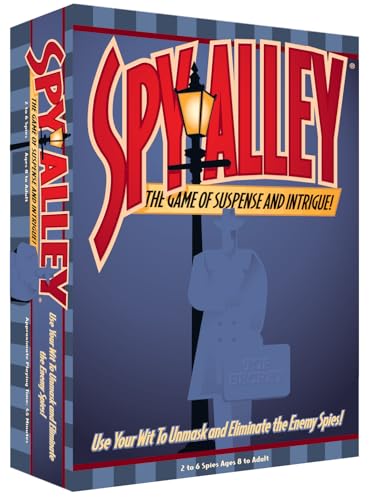 | Best Strategy Game | Player Count: 2-6 players | Recommended Age: Ages 8+ | Game Type: Hidden identity social deduction/bluffing | VIEW LATEST PRICE | Read Our Analysis |
| Trekking the World 2nd Edition Board Game |  | Best for Learning | Player Count: 1-5 players | Recommended Age: Ages 10+ | Game Type: Travel destination strategy | VIEW LATEST PRICE | Read Our Analysis |
| Spin Master Hedbanz 2023 Edition Family Game |  | Best Party Game | Player Count: 2-6 players | Recommended Age: Ages 6+ | Game Type: Quick-question guessing | VIEW LATEST PRICE | Read Our Analysis |
| Sorry! Classic Hasbro Board Game for Kids | 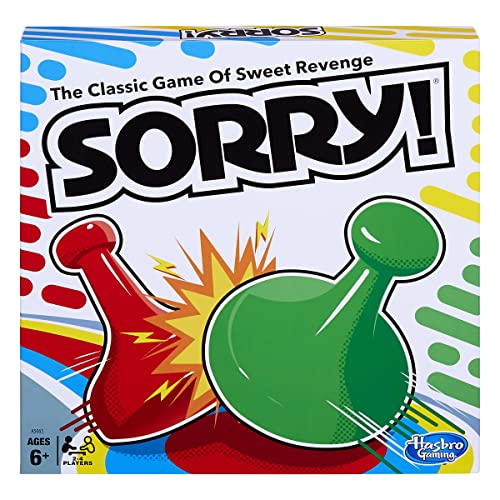 | Best Classic Game | Player Count: 2-4 players (3 pawns each) | Recommended Age: Ages 6+ | Game Type: Classic race with card-based mechanics | VIEW LATEST PRICE | Read Our Analysis |
More Details on Our Top Picks
QUOKKA Geography Board Game – United States Edition
Looking for a geography game that grows with your family? The QUOKKA Geography Board Game transforms learning about the United States into an exciting race across a huge 47×28 map. You’ll move your pawn through American cities while answering 120 educational questions about cultural sights, famous buildings, and ports.
It’s perfect for 2-10 players ages 8 and up, challenging both kids and adults without relying on simple luck. You can play with question cards for deeper learning or use map-only mode for faster gameplay. It works great for family game nights, birthday parties, or as a unique Christmas gift that encourages strategic thinking and social skills.
- Player Count:1-10 players (best with 2-8)
- Recommended Age:Ages 8-12, plus teens and adults
- Game Type:Geography educational strategy
- Educational Value:Geography, cities, cultural sights, buildings
- Awards/Recognition:Not mentioned
- Key Components:120 question cards, USA map board (47×28), pawns
- Additional Feature:Map-only play mode
- Additional Feature:Indoor/outdoor compatible
- Additional Feature:47×28 board size
Spy Alley Strategy Board Game for 2-6 Players
Spy Alley delivers award-winning espionage thrills for families seeking a game that combines strategic thinking with social deduction. You’ll assume a secret spy identity while deducing your opponents’ hidden roles through careful observation and clever misdirection. This Mensa-approved classic has captivated players for over 30 years with its blend of bluffing and deduction mechanics.
The game accommodates 2-6 players ages 8 and up, making it versatile for various family configurations. With a 4.6-star rating from over 2,300 reviews, you’ll discover why it’s earned recognition as Australian Game of the Year and numerous other accolades. Its high replayability ensures you’ll return to this espionage adventure repeatedly.
- Player Count:2-6 players
- Recommended Age:Ages 8+
- Game Type:Hidden identity social deduction/bluffing
- Educational Value:Strategic thinking, deduction
- Awards/Recognition:Mensa Best Mind Game, Australian Game of the Year, Chicago Tribune Top Ten
- Key Components:Board, spy identity cards, deduction mechanics
- Additional Feature:Hidden identity mechanics
- Additional Feature:Mensa Best Mind Game
- Additional Feature:30+ years proven legacy
Trekking the World 2nd Edition Board Game
Why settle for typical game night when you can transport your family across the globe? Trekking the World 2nd Edition from Underdog Games transforms learning into adventure, featuring 48 iconic destinations with stunning artwork that’ll spark curiosity about geography and culture.
This award-winning strategy game accommodates 1–5 players ages 10+, making it perfect whether you’re playing solo or gathering the whole family. You’ll enjoy refined rules, upgraded components with recessed player boards, and clear instructions that make gameplay easy to learn.
From the makers of Trekking the National Parks, this educational gem doubles as classroom material while delivering genuine entertainment that keeps everyone engaged.
- Player Count:1-5 players
- Recommended Age:Ages 10+
- Game Type:Travel destination strategy
- Educational Value:Geography and culture, classroom-suitable
- Awards/Recognition:Award-winning family game night favorite
- Key Components:48 destination cards, souvenir tokens, recessed player boards
- Additional Feature:48 iconic destinations
- Additional Feature:Recessed player boards
- Additional Feature:Solo play compatible
Spin Master Hedbanz 2023 Edition Family Game
The Spin Master Hedbanz 2023 Edition transforms the classic guessing game with fresh content that’ll keep families entertained for hours. You’ll wear a headband with a picture card that everyone sees except you, then ask yes/no questions to figure out what you are. The game accommodates 2-6 players ages 6 and up, making it perfect for family game nights, birthdays, and parties.
This edition features six new character headbands including dino, narwhal, robot, flower, butterfly, and brain. You’ll race against the timer to be first to guess three cards correctly. With 69 picture cards and simple quick-question gameplay, it’s accessible for kids while remaining engaging for teens and adults.
- Player Count:2-6 players
- Recommended Age:Ages 6+
- Game Type:Quick-question guessing
- Educational Value:Deductive reasoning through yes/no questions
- Awards/Recognition:Not mentioned
- Key Components:6 headbands, 69 picture cards, timer, scoring badges
- Additional Feature:6 new themed bands
- Additional Feature:Includes game timer
- Additional Feature:16 scoring badges
Sorry! Classic Hasbro Board Game for Kids
Classic Hasbro Board Game for Kids stands out as an ideal choice for families seeking a board game that combines easy-to-grasp rules with enough strategic depth to keep both kids ages 6 and up and adults engaged during game nights. You’ll race to get your three pawns home first while sliding, colliding, and sending opponents back to start. The gameplay delivers edge-of-your-seat excitement with strategic blocking and revenge possibilities depending on which cards you draw. This classic reintroduces nostalgic Sorry! gameplay to new generations, making it an entertaining gift for boys and girls alike. It’s perfect for indoor family gatherings and get-togethers.
- Player Count:2-4 players (3 pawns each)
- Recommended Age:Ages 6+
- Game Type:Classic race with card-based mechanics
- Educational Value:Basic strategy and turn-taking
- Awards/Recognition:Classic Hasbro game with nostalgic legacy
- Key Components:Board, 4 pawns per player, cards
- Additional Feature:Slide and collide mechanics
- Additional Feature:First 3 pawns wins
- Additional Feature:Send opponents backward
Factors to Consider When Choosing Board Games for Kids of All Ages
When you’re selecting board games for kids, you’ll need to evaluate several key factors to ensure the right fit. Consider whether the game matches your child’s age and skill level, accommodates the typical number of players in your household, and offers meaningful learning opportunities. You should also think about how long each game takes to play and whether it’ll remain engaging after multiple sessions.
Age Appropriateness and Complexity
Choosing board games that match your child’s developmental stage makes all the difference between an engaged player and a frustrated one. Check the manufacturer’s minimum age recommendation to ensure content and materials align with your youngest player’s abilities. When shopping for mixed-age groups, look for games with wide age spans—typically those labeled “ages 6 and up” work well for families. The complexity level should challenge your younger children without boring older ones. Many family-friendly titles include scalable rules that let you adjust difficulty as kids grow. These clear age indicators help you balance learning opportunities with accessibility, ensuring everyone stays engaged during game night. You’ll find games that truly accommodate different developmental stages keep all participants entertained.
Number of Players Supported
How many people will typically join your game nights? Most kids’ board games support 2 to 6 players, though some accommodate up to 8 for larger gatherings. Family-friendly titles often promote inclusivity by allowing 2 players for quick sessions or 4–6 for group play.
Consider how player count affects gameplay. Larger groups can create longer waits between turns, potentially losing younger players’ attention. Look for games with streamlined rules or shorter turns to maintain engagement.
Check if the game offers scalable gameplay or team options for mixed-age groups. This flexibility ensures everyone participates meaningfully. Before purchasing, verify whether alternative play modes exist for both minimum and maximum player counts. Games that adapt well across different group sizes provide better long-term value for your family.
Educational Value and Learning
Beyond pure entertainment, the best board games deliver meaningful learning opportunities that stick with children long after the box returns to the shelf. Look for games that integrate factual content—geography, history, science—with mechanics that reinforce recall and application. Question variety and scalable difficulty ensure both kids and adults stay challenged, making these games ideal for intergenerational play.
Quality components matter for educational longevity. Durable boards, clear instructions, and well-structured rulebooks enable independent learning in classrooms and homes alike. The strongest educational games develop critical thinking and strategic planning while building content mastery.
Evaluate visual design and fact accuracy carefully. Games with explicit learning objectives help you assess true educational value beyond entertainment. When social interaction combines with skill development, you’ve found a game that educates while it engages.
Game Duration and Pace
Even the most educational board game loses its value if it can’t hold your child’s attention. That’s why game duration matters. For younger children, choose games lasting 15–30 minutes to match their shorter attention spans. Older kids and families can handle 45–90 minute experiences during game nights.
Look for fast-paced, turn-based structures that keep everyone engaged and minimize waiting time between turns. This prevents restlessness and maintains momentum throughout play.
If you’re entertaining mixed-age groups, select games with scalable difficulty so younger players can participate meaningfully alongside older siblings. Clear, simple rules ensure quick onboarding and reduce frustration.
The best games balance action with strategic thinking, creating varied pacing that sustains interest across multiple rounds without overwhelming young players.
Replay Value and Longevity
When your child asks to play the same board game week after week, you’ll appreciate investing in one with strong replay value. Look for games with extensive question variety, diverse cards, or changing scenarios that prevent repetitive sessions. Hidden identity mechanics and bluffing elements introduce fresh strategies each playthrough, keeping older kids engaged.
Choose games with scalable player counts and solo options so they remain relevant as your family’s availability changes. Modular rules and optional difficulty modes let you adapt the experience for different ages without purchasing new games. Durable components withstand repeated use, protecting your investment.
Games offering evolving challenges or variant rules maintain interest longer, reducing the likelihood your children will tire of them quickly.
Strategic Thinking Vs Luck
How much should random chance influence your child’s victory? Strategic-thinking-heavy games reward planning ahead and decoding patterns, while luck-driven titles rely on card draws or dice rolls. You’ll find family-friendly games often blend moderate luck with clear strategic choices, keeping all ages engaged without frustration.
Consider your child’s age when balancing these elements. Younger players typically enjoy quick-play luck-based games that don’t overwhelm them with complex decision trees. Older kids can handle deeper strategic emphasis, though it requires longer playtimes.
The sweet spot? Games where decisions influence outcomes more than randomness dictates success. You can adjust this balance through handicaps or modified rules, tailoring the experience so different ages can enjoy both strategic and luck-based elements together.
Portability and Storage Considerations
Board games can pile up fast, turning your organized shelf into a toppling tower of mismatched boxes. When selecting games for kids, you’ll want compact, travel-friendly sizes that move easily between rooms or fit in your car for road trips. Look for lightweight designs with minimal, sturdy components and storage-friendly dimensions that won’t dominate your shelves.
Check inside the box for clear organizers or dedicated compartments—these keep cards, tokens, and boards from scattering during transport. Washable or wipe-clean surfaces prove invaluable for classroom use or messy car rides. Quick-setup games with compact rulebooks save precious minutes when you’re packing up or teaching on the go, making spontaneous game sessions much more manageable wherever you are.
Frequently Asked Questions
How Do Board Games Help With Children’s Cognitive Development and Learning Skills?
Board games strengthen your child’s critical thinking, problem-solving, and strategic planning abilities. They’ll improve memory, concentration, and decision-making skills while learning to follow rules, recognize patterns, and develop mathematical reasoning through engaging, hands-on play.
What Is the Ideal Game Length for Keeping Younger Children Engaged?
You’ll want to aim for 15-20 minute games when playing with younger children. Their attention spans are shorter, so quick rounds keep them focused and excited. You can always play multiple rounds if they’re enjoying themselves.
Are There Board Games Suitable for Mixed Age Groups Playing Together?
Yes, you’ll find cooperative games like Outfoxed, Forbidden Island, and Ticket to Ride work wonderfully for mixed ages. They’re designed so younger players contribute meaningfully while older kids stay challenged and engaged throughout gameplay.
How Do You Store and Organize Multiple Board Games Efficiently?
You’ll maximize space by storing games vertically on shelves, using stackable bins for loose pieces, and keeping frequently played games at eye level. Label everything clearly, and consider donating games you don’t play anymore.
Can Board Games Help Reduce Screen Time for Kids Effectively?
Yes, board games effectively reduce screen time by offering engaging alternatives you can enjoy together. They’ll naturally draw your kids away from devices when you make game nights a regular, anticipated family tradition that’s genuinely fun.


Leave a Reply