If you’re looking for a way to make health and wellness lessons feel less like lectures, these board games might surprise you. You’ll find options that cover medical knowledge, nutrition, teamwork, and emotional control, each offering a different kind of learning through play. Some are better for kids, others work well for families or adults, and a few stand out for skills you may not expect.
| Medicos Medical Trivia Board Game for Adults & Students |  | Best for Students | Wellness Focus: Medical knowledge | Player Count: Group play | Age Range: Adults/students | CHECK ON AMAZON | Read Our Analysis |
| Pandemic Cooperative Strategy Board Game for 2-4 Players |  | Best Strategy Game | Wellness Focus: Disease control | Player Count: 2-4 players | Age Range: 8+ | CHECK ON AMAZON | Read Our Analysis |
| Learning Resources Healthy Helpings MyPlate Food Groups Game |  | Best for Kids | Wellness Focus: Nutrition education | Player Count: 2-4 players | Age Range: 4+ | CHECK ON AMAZON | Read Our Analysis |
| Butterfly EduFields Healthy Heroes Card Game for Kids |  | Best Family Pick | Wellness Focus: Healthy eating | Player Count: 2-6 players | Age Range: 7+ | CHECK ON AMAZON | Read Our Analysis |
| PTS Games Mindfulness Matters Card Game |  | Best for Mindfulness | Wellness Focus: Mindfulness skills | Player Count: 2-4 players | Age Range: 9+ | CHECK ON AMAZON | Read Our Analysis |
| Emotional Rollercoaster Anger Management Board Game for Kids | 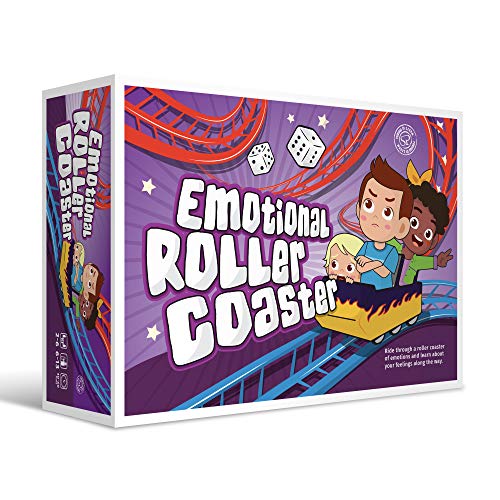 | Best for Emotional Skills | Wellness Focus: Anger management | Player Count: 2+ players | Age Range: 4-12 | CHECK ON AMAZON | Read Our Analysis |
More Details on Our Top Picks
Medicos Medical Trivia Board Game for Adults & Students
Medicos stands out for students who want to turn medical study into an engaging game. You can use it to sharpen anatomy, physiology, pharmacology, microbiology, clinical reasoning, terminology, diagnosis concepts, and exam prep. It suits medical students, nursing students, premeds, residents, EMTs, physician assistants, doctors, nurses, pharmacists, and other healthcare professionals. You can play it in study groups, classrooms, training sessions, or family game nights. It builds teamwork, strategy, recall, and quick thinking while keeping learning lively. You can also give it for graduations, white coat ceremonies, match celebrations, or Nurses Week.
- Wellness Focus:Medical knowledge
- Player Count:Group play
- Age Range:Adults/students
- Game Format:Board game
- Play Style:Competitive quiz
- Skill Building:Clinical recall
- Additional Feature:Medical trivia challenge
- Additional Feature:Exam prep content
- Additional Feature:White coat gift
Pandemic Cooperative Strategy Board Game for 2-4 Players
If you love teamwork under pressure, Pandemic is a standout strategy game for 2-4 players. You and your team race to cure four global diseases before time runs out, and every turn demands smart planning. You’ll share knowledge, manage cards, and coordinate roles like Medic, Scientist, or Researcher to stop outbreaks fast. The game’s 45-60 minute sessions keep tension high without dragging. Because each role changes how you play, you get fresh strategy every time. It’s great for ages 8 and up, and its replayable systems helped inspire Pandemic Legacy Season 1.
- Wellness Focus:Disease control
- Player Count:2-4 players
- Age Range:8+
- Game Format:Strategy board game
- Play Style:Cooperative strategy
- Skill Building:Team planning
- Additional Feature:Four-disease cure mission
- Additional Feature:Specialist character roles
- Additional Feature:45-60 minute playtime
Learning Resources Healthy Helpings MyPlate Food Groups Game
Learning Resources Healthy Helpings MyPlate Food Groups Game is a smart pick for kids learning nutrition. You’ll use 56 food-photo pieces, four placemats, a spinner, and an activity guide to build balanced meals while matching foods to their groups. Because the cards have matching backs, you can check answers quickly and keep play moving. It’s made for 2-4 players ages 4 and up, so you can use it with siblings or classmates. Its hands-on format helps you spot healthy choices, learn MyPlate basics, and make nutrition lessons feel fun.
- Wellness Focus:Nutrition education
- Player Count:2-4 players
- Age Range:4+
- Game Format:Matching game
- Play Style:Matching/spinner
- Skill Building:Meal balancing
- Additional Feature:56-piece set
- Additional Feature:Real-life food photos
- Additional Feature:Self-checking card backs
Butterfly EduFields Healthy Heroes Card Game for Kids
Butterfly EduFields Healthy Heroes is a great family pick for kids ages 7 and up. You get 72 cards total, including 60 food cards and 12 action cards, for quick rounds with 2 to 6 players. You’ll learn healthy eating choices while you play, and the simple rules make it easy to jump in. It’s durable, child-safe, and compact, so you can pack it for trips or classroom use. Because it’s screen-free and replayable, it’s a smart gift for birthdays, party favors, rewards, and family game nights.
- Wellness Focus:Healthy eating
- Player Count:2-6 players
- Age Range:7+
- Game Format:Card game
- Play Style:Fast card play
- Skill Building:Nutrition choices
- Additional Feature:72-card deck
- Additional Feature:60 food cards
- Additional Feature:Portable compact box
PTS Games Mindfulness Matters Card Game
PTS Games’ Mindfulness Matters card game works well for ages 9 and up who want practical stress-relief tools. You’ll use 78 cards to practice mindfulness, coping, and focus in short 15-25 minute sessions for 2-4 players. The game’s therapist-designed format supports individual, family, or group therapy, and you can choose cooperative play or competitive rules. As you spell MINDFUL together, you’ll discuss strategies for stress, anger, and worry. Moments cards teach everyday habits, while Mastery cards push you to role-play skills. The updated edition arrives in a premium box with tips and alternate modes.
- Wellness Focus:Mindfulness skills
- Player Count:2-4 players
- Age Range:9+
- Game Format:Card game
- Play Style:Cooperative/competitive
- Skill Building:Coping strategies
- Additional Feature:Therapist-developed original
- Additional Feature:MINDFUL spelling goal
- Additional Feature:Premium box packaging
Emotional Rollercoaster Anger Management Board Game for Kids
If you’re helping kids manage big feelings, Emotional Rollercoaster teaches emotional skills through play. You guide children ages 4 to 12 as they practice calming down when anger spikes. The game shows that when one coping strategy doesn’t work, you can try another. You also help them use mindfulness, breathing, and problem solving to stay grounded and spot anger triggers. With two or more players, it supports classroom, family, and friend-group play. It’s a useful pick for autism learning, social-emotional growth, and better self-expression in kids.
- Wellness Focus:Anger management
- Player Count:2+ players
- Age Range:4-12
- Game Format:Board game
- Play Style:Cooperative learning
- Skill Building:Emotional regulation
- Additional Feature:Coping strategy variety
- Additional Feature:Breathing exercises included
- Additional Feature:Autism learning materials
Factors to Consider When Choosing Board Games for Improving Health and Wellness Awareness
When you choose a board game to build health and wellness awareness, start by checking whether it fits the players’ age and matches your learning goals. You’ll also want to think about the player count and how long each game takes, so it works for your group and schedule. Finally, pick games with strong replay value so you can keep reinforcing healthy habits over time.
Age Appropriateness
Choosing the right board game for health and wellness starts with age appropriateness, because the game should match the player’s cognitive and emotional development to feel engaging and actually teach something useful. If you’re choosing for ages 4-8, look for simple rules, colorful play, and activities that help kids name feelings and practice coping skills. For ages 9-18, pick games with more strategy, mindfulness, and social-emotional challenges that push them to think critically about health. Adults usually need richer content, such as medical facts, cooperative decision-making, or thoughtful wellness discussion. When the game fits the age group, you’ll boost understanding, keep players interested, and make it more likely they’ll remember and reuse what they learn at home, in class, or with friends.
Learning Objectives
Once you’ve matched a board game to the right age group, the next thing to check is its learning objectives. You want games that clearly teach something useful about physical, mental, or emotional health. Look for titles that build nutrition knowledge, mindfulness habits, emotional regulation, or even basic medical concepts if you’re training for health-related roles. The best games don’t just inform you; they push you to practice real-life skills through choices, challenges, and discussion. That might mean coping with stress, making healthier food decisions, or reasoning through a medical scenario. When the goals are well defined, you gain practical skills and awareness you can use beyond the table. Good health games also adapt their content to your developmental stage and education needs.
Player Count
Player count shapes how well a health and wellness board game works for your group. You should match the game to the number of people who’ll actually play, whether that’s 2-4 players or a larger group of 5-6+. If you want cooperation, smaller groups often work best because they make teamwork and communication easier, which supports health learning. If you’re aiming to build social skills or emotional regulation, larger groups can add energy and richer interaction. Look for games with adjustable player counts or scalable rules if you need flexibility for classrooms, families, or therapy settings. You should also check the recommended age range so the game fits your players’ development level and keeps the experience appropriate, engaging, and useful.
Game Length
How long should the game run? You should match game length to the time you’ve got and the depth of wellness content you want to cover. Short games, usually under 30 minutes, work well when you need a quick learning session, a younger group, or a simple introduction to new health ideas. If you’re running a classroom activity, therapy session, or family night, longer games of 45 minutes to an hour can give you space for deeper discussion and strategy. That extra time helps you explore topics more fully and keep players engaged. Flexible games are especially useful because you can adjust the pace to fit your group’s attention span, setting, and learning goals without losing educational value.
Replay Value
Replay value matters because the best health and wellness board games keep teaching after the first session. You’ll get more from a game that mixes fresh scenarios, questions, or challenges, because each play pushes you to think differently and remember more. Look for titles with adjustable difficulty or rotating roles so you can return with a new experience and keep building skills. Cooperative and competitive modes also boost replayability, since you can play with different groups and social styles without losing interest. Games with modular parts or expansion-friendly designs give you more content without forcing extra purchases. When a game stays engaging over time, you’ll keep revisiting health ideas, and that repeated exposure helps the lessons stick longer and support real awareness.
Frequently Asked Questions
Which Board Games Help Improve Family Communication Skills?
You’ll strengthen family communication with cooperative games like Pandemic, Forbidden Island, and Codenames. You talk, listen, negotiate, and solve problems together, so you practice clear expression, active listening, turn-taking, and respectful compromise every round.
Are These Wellness Board Games Suitable for Classroom Use?
Yes, you can use many wellness board games in class if they’re age-appropriate, inclusive, and tied to learning goals. You’ll need clear rules, enough time, and supervision to keep discussions respectful and focused.
How Long Does a Typical Game Session Usually Take?
You’ll usually spend 20 to 60 minutes per session, depending on the game’s complexity and group size. Quick wellness titles wrap up fast, while strategy-focused ones can easily run longer with your players.
Do Any of These Games Support Solo Play?
Yes—some do, and you’ll usually find solo modes on the box or rules. You can also adapt cooperative games for one player, so you’re not limited if you want a wellness session alone.
Which Board Games Are Best for Teens and Adults Together?
You’ll enjoy Azul, Wingspan, Splendor, Ticket to Ride, and Codenames; they’re easy to learn, engaging for teens and adults, and promote healthy competition, teamwork, and conversation without feeling childish or overly complex.