
You’ve probably noticed your game nights getting stale with the same old classics gathering dust on the shelf. The board game landscape has shifted dramatically in 2025, and true gamers are gravitating toward titles that challenge both their strategic thinking and social instincts. Whether you’re coordinating weekly sessions with your core group or hosting occasional family gatherings, these five games have earned their spot on tables worldwide for specific reasons worth exploring.
| Spy Alley Strategy Board Game for 2-6 Players | 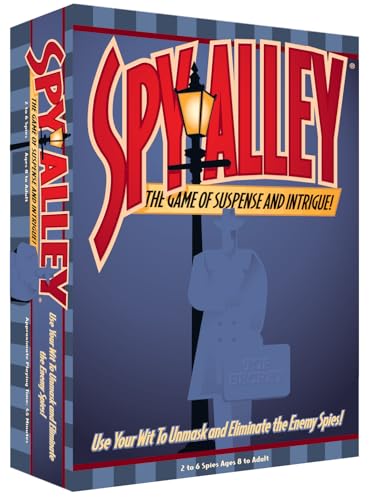 | Best Strategic Depth | Player Count: 2-6 players | Age Range: Ages 8+ | Game Duration: Not specified | VIEW LATEST PRICE | Read Our Analysis |
| Wit’s End – Trivia & Brain Teaser Game |  | Best Trivia Challenge | Player Count: 2-6 players/teams | Age Range: Ages 16+ | Game Duration: Not specified | VIEW LATEST PRICE | Read Our Analysis |
| Smug Owls Riddle-Solving Card Game for Families |  | Most Creative Gameplay | Player Count: 3-15 players | Age Range: Ages 8+ | Game Duration: 15-20 minutes | VIEW LATEST PRICE | Read Our Analysis |
| Herd Mentality: Family Board Game for 4-20 Players |  | Best Party Game | Player Count: 4-20 players | Age Range: Ages 10+ | Game Duration: Not specified | VIEW LATEST PRICE | Read Our Analysis |
| Herd Mentality: Family Board Game for 4-20 Players | | Best Large Groups | Player Count: 4-20 players | Age Range: Ages 10+ | Game Duration: Not specified | VIEW LATEST PRICE | Read Our Analysis |
More Details on Our Top Picks
Spy Alley Strategy Board Game for 2-6 Players
Why do master strategists and casual players alike keep returning to Spy Alley after three decades? This award-winning deduction game delivers pure espionage thrills through hidden identities and strategic bluffing. You’ll navigate misdirection while decoding opponents’ true spy personas—coincidence or cover-up determines victory.
With Mensa’s Best Mind Game and Australian Game of the Year honors, Spy Alley proves its intellectual merit. The 4.6/5 rating from 2,326 reviews confirms its timeless appeal. You’ll find endless replayability whether playing with two friends or six family members.
Perfect for ages 8+, this Chicago Tribune Top Ten selection transforms gatherings into suspenseful espionage showdowns where every move matters.
- Player Count:2-6 players
- Age Range:Ages 8+
- Game Duration:Not specified
- Game Type:Strategy, social deduction, bluffing
- Awards/Recognition:Mensa Best Mind Game, Australian Game of the Year, Chicago Tribune Top Ten
- Target Audience:Adults and families
- Additional Feature:Hidden identity mechanic
- Additional Feature:Espionage/WWII theme
- Additional Feature:30+ years heritage
Wit’s End – Trivia & Brain Teaser Game
True gamers craving intellectual challenges beyond standard trivia will find their match in Wit’s End, a mind-bending board game that tests both knowledge and deductive reasoning across four distinct categories. You’ll tackle rhyming riddles in Teaser, identify the outlier in Odd-1-Out, arrange items chronologically in Sequence, and face unpredictable Wild Card challenges spanning brain trivia to memory tests.
Designed for 2-6 players ages 16+, you’ll race up the board while wrong answers send you backward. Questions blend history, science, geography, pop culture, and current affairs. Regular updates expand the 2025 card set, keeping gameplay fresh for family nights and trivia-loving gatherings.
- Player Count:2-6 players/teams
- Age Range:Ages 16+
- Game Duration:Not specified
- Game Type:Trivia and brain teaser
- Awards/Recognition:Not specified
- Target Audience:Adults and families
- Additional Feature:Four distinct categories
- Additional Feature:2025 copyright updates
- Additional Feature:Rhyming riddles included
Smug Owls Riddle-Solving Card Game for Families
When your game night needs a creative spark that works for both kids and adults, Smug Owls delivers with its award-winning riddle-solving format that generates over 130,000 possible puzzles from a single deck. You’ll flip cards to create riddles, then compete to impress the Smug Owl with your cleverest answer—there’s often no single correct solution, so creativity wins. This 2024 Origins Award winner accommodates 3-15 players and takes just 30 seconds to learn, with games lasting 15-20 minutes. The compact design features gorgeous hand-drawn illustrations, making it perfectly portable for any gathering. Recommended by American Mensa and Dice Tower Approved, it’s ideal entertainment for birthdays, holidays, or family game nights.
- Player Count:3-15 players
- Age Range:Ages 8+
- Game Duration:15-20 minutes
- Game Type:Riddle-solving party game
- Awards/Recognition:2024 Origins Award Best Party Game, Mensa Recommended, Dice Tower Approved
- Target Audience:Kids, teens, adults, families
- Additional Feature:130,000 possible riddles
- Additional Feature:Hand-drawn retro illustrations
- Additional Feature:Magic deck generation
Herd Mentality: Family Board Game for 4-20 Players
Looking for a party game that scales effortlessly from intimate gatherings to full-blown family reunions? Herd Mentality accommodates 4-20 players, making it perfect for game nights of any size. The concept is brilliantly simple: guess what the majority will answer. Match the herd, and you’ll collect cows. Stand alone as the odd one out, and you’re stuck with the dreaded pink cow of doom. Suitable for ages 10+, it’s quick to learn and endlessly replayable, featuring 20 exclusive bonus questions. Whether you’re celebrating Thanksgiving, Christmas, or just gathering friends, this udderly funny game keeps everyone engaged and laughing together.
- Player Count:4-20 players
- Age Range:Ages 10+
- Game Duration:Not specified
- Game Type:Party/guessing game
- Awards/Recognition:Not specified
- Target Audience:Families, adults, teens, kids
- Additional Feature:Pink cow of doom
- Additional Feature:Majority-answer wins cows
- Additional Feature:20 extra exclusive questions
Herd Mentality: Family Board Game for 4-20 Players
Gathering a large crowd for game night? Herd Mentality accommodates 4-20 players, making it perfect for big family gatherings and friend groups. You’ll flip over questions and guess what everyone else is thinking. Match the majority? You’ll win cows. End up as the odd one out? You’re stuck with the dreaded pink cow of doom.
This udderly funny game works brilliantly for families, adults, teens, and kids aged 10+. It’s easy to learn and quick to play, offering endless replayability. The version includes 20 extra exclusive questions, making it ideal for Thanksgiving and Christmas celebrations when your whole crew’s together.
- Player Count:4-20 players
- Age Range:Ages 10+
- Game Duration:Not specified
- Game Type:Party/guessing game
- Awards/Recognition:Not specified
- Target Audience:Families, adults, teens, kids
- Additional Feature:Pink cow of doom
- Additional Feature:Majority-answer wins cows
- Additional Feature:20 extra exclusive questions
Factors to Consider When Choosing Board Games for Game Lovers in 2025
When you’re selecting board games for serious players in 2025, you’ll need to evaluate several key factors that separate casual games from truly engaging experiences. The right game depends on understanding your group’s size, how often you’ll play it, what complexity level works for everyone, how much time you’ve got, and which themes and mechanics appeal most. Let’s examine each consideration so you can make informed choices that’ll keep your gaming sessions fresh and exciting.
Player Count and Scalability
How many people will actually show up to your next game night? You need games that adapt seamlessly whether three friends arrive or fifteen. Check the box for explicit minimum and maximum player counts—some games claim “2–8 players” but only shine at four or five.
Prioritize titles with simultaneous actions or shared components that prevent bottlenecks. When everyone takes turns sequentially, large groups create painful downtime. Games with majority-driven outcomes or social deduction mechanics maintain engagement across variable counts.
Look for scalable rules that adjust round length and turn structure automatically. Team play options expand flexibility further, letting you accommodate surprise guests without restarting.
Test whether the game remains balanced and fun at both extremes of its range. The best 2025 releases handle 4–20 players without sacrificing pace or interaction.
Replayability and Longevity
A game that accommodates your entire crew means nothing if everyone’s bored by session three. You’ll want mechanics that create fresh experiences each playthrough—look for modular content, randomized setups, or branching decision paths that prevent predictable outcomes.
Hidden identity and bluffing games deliver exceptional replay value because social dynamics shift with every group composition. Deduction mechanics keep sessions unpredictable, ensuring you’ll never solve the same puzzle twice.
Expandable content matters too. Games with regularly updated question pools or modular decks maintain interest without requiring new purchases. Check whether the title supports meaningful scalability; options for 4–20 players or team-based modes extend relevance as your group size fluctuates.
Finally, critical acclaim and awards often signal games with genuine staying power, indicating repeatable appeal that transcends novelty.
Complexity and Learning Curve
Complexity isn’t something you compromise on—it’s the element you calibrate. You’ll want games where core mechanics align with your group’s experience level. Assess learning curves by examining how many systems you’re juggling—deduction, bluffing, simultaneous actions versus turn-based sequencing. Modular designs give you flexibility through adjustable player counts and optional advanced rules.
Your cognitive load depends heavily on thematic density and scoring intricacies. Strategic depth keeps seasoned players engaged, but unnecessarily convoluted systems create friction. Look for rulebooks that include example scenarios and clear breakdowns; they’ll slash your setup time and eliminate confusion.
The best games for 2025 scale intelligently. You can introduce newcomers with streamlined variants while preserving enough complexity to challenge veterans. That’s calibration done right.
Game Duration and Pacing
Your gaming calendar matters just as much as your collection. You’ll want shorter games (15–20 minutes) when hosting larger groups, allowing multiple plays per session and keeping everyone engaged. Moderate-length titles (30–60 minutes) strike the perfect balance for strategic depth without overwhelming fatigue during casual evenings.
Reserve longer Euros and strategy games (90–180 minutes) for dedicated sessions when you’re craving intricate planning and resource management. Real-time or rapid-fire formats eliminate prolonged deliberation, injecting time-pressure dynamics that heighten excitement.
Look for variable play times with scalable player counts—they’ll adapt seamlessly whether you’re playing with two friends or eight. This flexibility ensures your games maintain proper pacing regardless of group size, preventing drag during shorter sessions or rushed decisions during longer campaigns.
Theme and Mechanics Variety
Beyond timing considerations, the thematic range and mechanical diversity of your collection determines how well it serves different moods and player preferences. Strong 2025 catalogs blend hidden-identity deduction with trivia-brain-teaser mechanics, letting you switch between espionage tension, riddle-solving challenges, and lighthearted social guessing within the same theme category. Hybrid formats combine memory, sequence ordering, and wordplay to deliver multiple challenge modes in a single title, maximizing replay value. This variety ensures you’re equipped for strategic sessions when players want depth and knowledge-based challenges when they prefer quick thinking. Regular updates through new card sets refresh question pools and riddles, maintaining freshness for recurring game nights without requiring new core rules. Party-style dynamics—supporting 4–20+ players with rapid 15–20 minute cycles—expand your collection’s suitability for casual gatherings and family nights.
Frequently Asked Questions
How Long Does It Typically Take to Learn the Rules of These Games?
You’ll typically spend 15-30 minutes learning lighter games, while complex strategy games can take 1-2 hours. If you’re watching tutorial videos or reading rulebooks thoroughly, expect to invest even more time initially.
Are These Games Suitable for Children Under 10 Years Old?
Most games marketed to “true gamers” aren’t suitable for children under 10. They’re typically designed for ages 12+, featuring complex strategies and lengthy playtimes. You’ll want to seek age-appropriate alternatives with simpler mechanics for younger children.
Which Games Work Best for Competitive Players Versus Casual Gamers?
For competitive players, you’ll want complex strategy games with high skill ceilings and minimal luck. Casual gamers prefer lighter, social games with simple rules and shorter playtimes that don’t require intense focus or planning.
Can These Games Be Played Solo or Do They Require Multiple Players?
You’ll find both options available. Many modern board games include dedicated solo modes with AI opponents or campaign systems, while others require at least two players. Check each game’s specifications before you purchase.
What Is the Average Price Range for These Board Games?
You’ll find most premium board games range from $40 to $100, depending on complexity and components. Deluxe editions with miniatures can push $150 or higher, while lighter games start around $30.


Leave a Reply