If you want a game night that actually gets people talking, you’ve got more options in 2027 than ever. You can choose from fast, funny, or surprisingly personal games that fit adults, families, or kids without much setup. But not every title sparks the same kind of connection, and some work better than others depending on your group. That’s where the real difference starts to show.
| WE’RE NOT REALLY STRANGERS Card Game for Adults |  | Best for Deep Talks | Player Count: 2-6 players | Age Range: 15+ years | Game Type: Conversation game | CHECK ON AMAZON | Read Our Analysis |
| Herd Mentality Family Party Board Game | 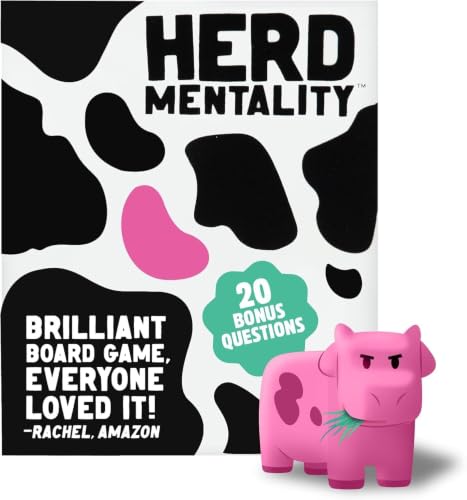 | Best for Large Groups | Player Count: 4-20 players | Age Range: 10+ years | Game Type: Party game | CHECK ON AMAZON | Read Our Analysis |
| Hasbro Taboo Classic Word Guessing Party Game |  | Best Word Game | Player Count: 4+ players | Age Range: 13+ years | Game Type: Word-guessing game | CHECK ON AMAZON | Read Our Analysis |
| The Chameleon Board Game: Spot the Imposter |  | Best Bluffing Game | Player Count: 3-8 players | Age Range: 12+ years | Game Type: Bluffing game | CHECK ON AMAZON | Read Our Analysis |
| OFF TOPIC Adult Party Card Game for Groups |  | Best for Creativity | Player Count: 2-8 players | Age Range: 17+ years | Game Type: Party card game | CHECK ON AMAZON | Read Our Analysis |
| Junior Learning Social Skills Board Games for Kids |  | Best for Kids | Player Count: Group play | Age Range: Children | Game Type: Social skills game | CHECK ON AMAZON | Read Our Analysis |
More Details on Our Top Picks
WE’RE NOT REALLY STRANGERS Card Game for Adults
WE’RE NOT REALLY STRANGERS is great if you want a game that goes beyond small talk into deep talks. You’ll move through 150 cards across three levels: perception, connection, and reflection. You’ll challenge first impressions, answer questions you rarely hear, and think about what you’ve learned. The game works well for 2-6 players, ages 15 and up, so you can bring it to game nights, parties, or date nights. With wildcards, a notepad, pencils, and Dig Deeper cards, you’ll spark honest, funny, and emotional conversations that help you bond fast.
- Player Count:2-6 players
- Age Range:15+ years
- Game Type:Conversation game
- Play Style:Deep discussion
- Components:Cards, notepad, pencils
- Playtime:Not specified
- Additional Feature:Dig Deeper cards
- Additional Feature:Three gameplay levels
- Additional Feature:Includes notepad and pencils
Herd Mentality Family Party Board Game
If you’re hosting a big game night, Herd Mentality shines for large groups of 4 to 20 players. You answer quick questions, try to match the crowd, and score cows when you think like everyone else. It’s easy to learn, fast to play, and keeps you laughing through every round. If you stray from the majority, you’ll grab the pink cow of doom. With 20 extra questions, it stays fresh for repeat plays. You can enjoy it with kids, teens, and adults at holidays, family gatherings, or any night you want easy, hilarious social interaction.
- Player Count:4-20 players
- Age Range:10+ years
- Game Type:Party game
- Play Style:Majority guessing
- Components:Question cards, cow token
- Playtime:Quick play
- Additional Feature:Pink cow of doom
- Additional Feature:20 extra questions
- Additional Feature:Majority-answer mechanic
Hasbro Taboo Classic Word Guessing Party Game
Hasbro Taboo Classic shines for teens and adults who love fast, lively group games. You race the clock to get your team to say the guess word without using the taboo words, so every round stays tense and funny. With 212 cards and 848 guess words, you’ll keep finding fresh prompts shaped by pop culture and trends. The set includes a sand timer, squeaker, and scorepad, and you can also use web tools for timers and buzzers. Its compact box makes it easy to take to parties, road trips, brunch, or casual hangouts anywhere.
- Player Count:4+ players
- Age Range:13+ years
- Game Type:Word-guessing game
- Play Style:Timed guessing
- Components:Cards, timer, scorepad
- Playtime:Fast-paced
- Additional Feature:848 guess words
- Additional Feature:Sand timer included
- Additional Feature:Web-based tools option
The Chameleon Board Game: Spot the Imposter
Looking for the ultimate bluffing challenge? The Chameleon turns you into a detective and a deceiver at the same time. You and 2 to 7 other players get a secret word, except one imposter, the Chameleon. You’ll toss out clues, debate suspicions, and try to spot who’s faking it before they guess the word and escape. Its 2-minute learn time and 15-minute rounds keep things moving fast. With 800 topics, it stays fresh, and it’s perfect for teens, adults, and family game nights.
- Player Count:3-8 players
- Age Range:12+ years
- Game Type:Bluffing game
- Play Style:Deduction and bluffing
- Components:Topic cards, clue cards
- Playtime:15 minutes
- Additional Feature:Secret word bluffing
- Additional Feature:800 unique topics
- Additional Feature:Two-minute tutorial
OFF TOPIC Adult Party Card Game for Groups
OFF TOPIC suits groups that want a creativity-driven party game with fast, lively social interaction. You draw a topic card, roll the 20-sided die, and race against a 2-minute timer to craft clever answers from a starting letter. That simple setup sparks wordplay, witty debates, and improv-style laughs. You can play with 2 to 8 players, so it works for small hangouts or bigger crowds. With 8 whiteboards, 10 markers, 16 topic cards, and a sand timer included, you’re ready for game nights, happy hours, dorm hangouts, or road trips.
- Player Count:2-8 players
- Age Range:17+ years
- Game Type:Party card game
- Play Style:Creative wordplay
- Components:Whiteboards, markers, die
- Playtime:15-30 minutes
- Additional Feature:Giant 20-sided die
- Additional Feature:Dry-erase whiteboards
- Additional Feature:Two-minute sand timer
Junior Learning Social Skills Board Games for Kids
Junior Learning’s Social Skills Board Games are ideal if you want kids to learn empathy through play. You get six colorful boards, counters, a die, and a self-correcting guide that helps children practice right and wrong choices, emotion control, and good manners. Each game uses relatable scenarios, so kids can spot feelings, express their own emotions, and notice others’ needs. You can use the compact set at home or in class, and the included instructions make setup easy. The cooperative format encourages shared problem-solving, while self-checking play supports independent learning.
- Player Count:Group play
- Age Range:Children
- Game Type:Social skills game
- Play Style:Cooperative learning
- Components:Boards, counters, guide
- Playtime:Not specified
- Additional Feature:Self-correcting game guide
- Additional Feature:Social-emotional learning focus
- Additional Feature:Empathy and manners training
Factors to Consider When Choosing Board Games for Enhancing Social Interaction
When you pick a board game for social interaction, look for flexible player counts so everyone can join in. You’ll also want to match the age level, conversation depth, interaction style, and learning curve to your group so the game feels engaging, not frustrating. The right balance helps you spark real connection and keep the table lively.
Player Count Flexibility
Player count flexibility matters because a game that works well with both small and large groups gives you more options for different kinds of gatherings. You can pull it out for a quiet evening with a few friends or for a bigger party without changing the fun. Flexible games make everyone feel included, whether you’re playing with two people or ten. They also keep the action moving by adapting to the group size, so turns don’t drag and attention stays high. When a game scales well, you spend less time waiting and more time talking, laughing, and making choices together. That balance helps you keep the social energy up and makes the game easier to fit into different plans.
Age Appropriateness
Age appropriateness matters because the best social games are the ones everyone can actually follow and enjoy. When you pick a game matched to your group’s age range, you make the rules easier to grasp and the pace more comfortable. That helps everyone join in without confusion, frustration, or boredom. You’ll also want games that fit the players’ cognitive and emotional development, since that creates more natural interaction and keeps people engaged. Age-appropriate themes and language matter too, because they feel relatable and help players connect. By choosing titles that suit your group, you support inclusivity and give each person a fair chance to contribute. The result is a smoother, more positive social experience for everyone at the table.
Conversation Depth
Beyond matching a group’s age range, the best social board games also match the kind of conversation you want at the table. If you want easy banter first, choose games with layered questions or multiple levels of play, so you can shift from light topics to deeper ones without forcing it. Look for conversation cards that ask about emotions, perspectives, and experiences, because they help you connect more authentically. Games that include self-reflection prompts can push you past small talk and into meaningful exchange. You’ll also get more value when the game gives you time to discuss answers, not just state them. Dig deeper cues or reflection phases work especially well, since they invite you to elaborate, revisit initial reactions, and share more honestly.
Interaction Style
How a game handles interaction can shape the whole social experience, so it’s worth choosing a style that fits your group. You can pick cooperative games if you want everyone pulling together toward one goal, or competitive ones if your group enjoys direct rivalry. Bluffing, discussion, and negotiation keep people talking and help you read each other’s intentions. If you want broader participation, look for games with turn-taking and chances for everyone to speak, because they tend to include quieter players too. Some games create quick, lively exchanges, while others invite slower, more thoughtful conversations that build stronger bonds. Don’t overlook non-verbal cues, creative expression, or shared storytelling either; they can deepen empathy and make the table feel more connected throughout play.
Learning Curve
A game’s learning curve can make or break the social experience, because when players understand the rules quickly, they can start talking, laughing, and engaging right away. You’ll get the best results from games that explain themselves fast, especially if they include a simple tutorial or quick-start guide. That way, kids, adults, and mixed groups can jump in without feeling lost. Clear instructions and few rule exceptions also keep the table moving, so you won’t interrupt the flow with repeated questions. Look for games that are easy to learn but still offer real strategy; you’ll stay interested, and your group will keep discovering new ways to connect. Straightforward mechanics help everyone focus on each other, which makes every round feel more social.
Playtime Length
Once a game is easy to learn, the next thing to take into account is how long it keeps everyone at the table. For social interaction, you’ll usually want a playtime of 15 to 30 minutes. That range helps you stay engaged without drifting into fatigue or boredom. Short rounds also let you talk, joke, and react more often, so you can experience several social dynamics in one session. These quicker games work well at parties, breaks, or casual get-togethers because they’re easy to fit in. Longer games can support deeper conversation and teamwork, but they can also lose players who’ve got limited time or lower energy. When you choose flexible playtimes, you make it easier for different groups to join in and enjoy the moment together.
Replay Value
Replay value matters because the best social board games keep giving you new ways to interact each time you play. You should look for games with lots of cards, prompts, or questions, since variety keeps each session fresh. When a game offers multiple modes or difficulty levels, you can explore new dynamics and keep your group interested longer. Random wildcards, shifting clues, or surprise topics also help because they spark spontaneous reactions and lively debate. You’ll get more use from games that work well with different player counts and flexible rounds, too, since they fit more gatherings. The strongest replay value comes from games that deepen conversation and creativity, letting you uncover new stories, opinions, and connections every time you sit down with friends.
Frequently Asked Questions
Which Games Work Best for Large Mixed-Age Groups?
You’ll do best with Charades, Codenames, Telestrations, and Dixit; they’re easy to learn, let kids and adults contribute, and keep everyone talking, laughing, and guessing together without heavy rules or long turns.
How Long Should a Social Board Game Session Last?
You should aim for 60 to 90 minutes, because you’ll keep energy high and conversations flowing. If your group loves it, extend to two hours, but stop before attention and social momentum fade.
Are There Cooperative Games That Boost Conversation Skills?
Yes, you’ll find cooperative games that boost conversation skills, like Hanabi, The Crew, and Pandemic. You’ll need to explain, listen, and coordinate constantly, so you’ll practice clearer talk and better teamwork naturally.
Which Games Are Easiest for Shy Players to Join?
You’ll usually find Sushi Go, Just One, and Carcassonne easiest for shy players because you can jump in, speak briefly, and learn quickly. They’re low-pressure, welcoming, and don’t force constant talking.
Do These Games Work Well for Remote Online Play?
Yes, you can play some of them online, but you’ll get the best results with chatty, turn-based games and strong video tools. You’ll find fast, face-to-face party games usually lose their spark remotely.