
You’ve got friends asking when the next game night is, but picking the wrong board game can turn enthusiasm into awkward silence fast. The secret isn’t just finding games people enjoy—it’s choosing ones that keep everyone engaged, create natural conversation, and leave guests wanting to come back next week. Whether you’re hosting seasoned players or complete newcomers, these ten games strike that perfect balance between accessible fun and enough depth to stay interesting week after week.
| Tsuro – The Game of The Path |  | Best Overall | Player Count: 2-8 players | Age Range: Ages 8 & up | Playtime Duration: 15-20 minutes | VIEW LATEST PRICE | Read Our Analysis |
| Star Wars: Battle of Hoth Board Game |  | Best For Fans | Player Count: 2 players | Age Range: Ages 8+ | Playtime Duration: 30 minutes | VIEW LATEST PRICE | Read Our Analysis |
| 2 in 1 Magnetic Wooden Chess and Checkers Set |  | Most Versatile | Player Count: 2 players | Age Range: All ages | Playtime Duration: Not specified | VIEW LATEST PRICE | Read Our Analysis |
| Party Game Bundle – Herd Mentality & You Can’t Say UMM |  | Best Party Pick | Player Count: 4-10 players | Age Range: Ages 8+ | Playtime Duration: Quick-playing | VIEW LATEST PRICE | Read Our Analysis |
| Hasbro Candy Land Board Game for Kids |  | Best For Toddlers | Player Count: 2-4 players | Age Range: Ages 3 & up | Playtime Duration: Not specified | VIEW LATEST PRICE | Read Our Analysis |
| Hasbro Chutes and Ladders Board Game Ages 3 |  | Best For Preschoolers | Player Count: 2-4 players | Age Range: Ages 3+ | Playtime Duration: Not specified | VIEW LATEST PRICE | Read Our Analysis |
| HUES and CUES Color Guessing Board Game |  | Most Creative | Player Count: 3-10 players | Age Range: Ages 8+ | Playtime Duration: Fast-paced | VIEW LATEST PRICE | Read Our Analysis |
| Jax SEQUENCE for Kids Strategy Game (2-4 Players) |  | Best For Beginners | Player Count: 2-4 players | Age Range: Ages 3-6 (manufacturer 4-17) | Playtime Duration: Not specified | VIEW LATEST PRICE | Read Our Analysis |
| Spin Master Chess Teacher Strategy Board Game |  | Best Learning Tool | Player Count: 2 players | Age Range: Ages 8 & up | Playtime Duration: Not specified | VIEW LATEST PRICE | Read Our Analysis |
| TOMY Pop Up Pirate Board Game | 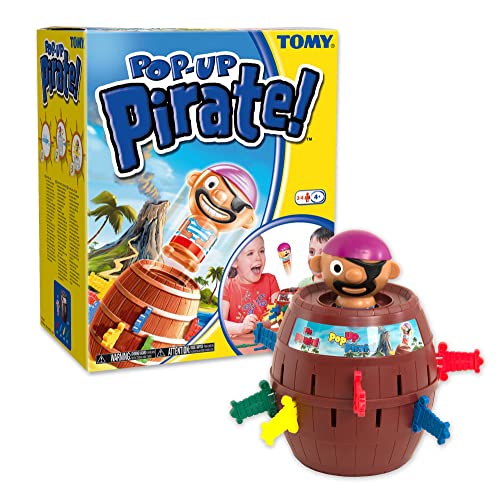 | Most Suspenseful | Player Count: 2-4 players | Age Range: Ages 4+ | Playtime Duration: Not specified | VIEW LATEST PRICE | Read Our Analysis |
More Details on Our Top Picks
Tsuro – The Game of The Path
Looking for a strategy game that accommodates your entire family game night without eating up the whole evening? Tsuro delivers exactly that. This award-winning game lets 2-8 players create an ever-changing maze with beautiful Asian-themed tiles. You’ll place tiles to build paths while strategically anticipating opponents’ moves, staying on your route while others tumble off the board. Each 15-20 minute session plays differently, making it perfect for multiple rounds. Whether you’re hosting adults, teens, or kids ages 8+, everyone grasps the rules quickly. The stunning design looks gorgeous on your coffee table between sessions, naturally inviting guests to play again.
- Player Count:2-8 players
- Age Range:Ages 8 & up
- Playtime Duration:15-20 minutes
- Game Type:Strategy/path-building
- Skill Level:Easy to learn, any experience level
- Replayability:Path changes every game
- Additional Feature:Asian themed visuals
- Additional Feature:Ever-changing path maze
- Additional Feature:Includes Dragon Tile
Star Wars: Battle of Hoth Board Game
Star Wars: Battle of Hoth delivers fast-paced tactical combat that’s perfect for weekly gaming sessions with a dedicated opponent. You’ll command either the Imperial Army or Rebel Forces through strategic miniatures gameplay that wraps up in just 30 minutes. The detailed miniatures bring iconic characters, vehicles, and troops to life on your game board.
Custom dice and varied tactical elements ensure each battle plays differently, giving you hours of competitive depth without repetitive matches. It’s accessible for ages 8+, making it ideal whether you’re hosting strategy enthusiasts or Star Wars fans. Quick setup and engaging gameplay create the perfect weekly showdown ritual.
- Player Count:2 players
- Age Range:Ages 8+
- Playtime Duration:30 minutes
- Game Type:Miniatures strategy
- Skill Level:Easy entry with engaging depth
- Replayability:Each playthrough unique
- Additional Feature:Detailed Star Wars miniatures
- Additional Feature:Custom dice system
- Additional Feature:Command Imperial or Rebel
2 in 1 Magnetic Wooden Chess and Checkers Set
Why settle for one game when you can have two classics in a single, travel-ready package? This 15″ folding chess and checkers set delivers magnetic wooden pieces that won’t slide around during intense matches. The handcrafted solid wood construction features smooth, rounded corners and natural grain patterns, while felt-lined compartments keep your 32 chess pieces (plus two extra queens) and 24 checkers organized.
Whether you’re teaching grandkids strategy or hosting friends for game night, this lightweight set travels anywhere—from camping trips to kitchen tables. The included chess manual makes it beginner-friendly, turning weekly gatherings into engaging competitions that strengthen bonds across generations.
- Player Count:2 players
- Age Range:All ages
- Playtime Duration:Not specified
- Game Type:Chess and checkers
- Skill Level:Beginner-friendly with manual
- Replayability:Reusable for repeated play
- Additional Feature:Magnetic chess pieces
- Additional Feature:Includes 2 extra queens
- Additional Feature:Folding portable design
Party Game Bundle – Herd Mentality & You Can’t Say UMM
The Party Game Bundle combining Herd Mentality and You Can’t Say Umm delivers exactly what weekly game hosts need: two fast-paced party games that accommodate 4–10 players without lengthy setup or complicated rules. You’ll appreciate how everyone from kids 8+ to adults can jump in immediately, creating laugh-out-loud moments from the first round.
These award-winning games work perfectly for recurring gatherings because they’re simple enough that new players won’t need tutorials, yet engaging enough to keep regulars coming back. The vibrant bundle presentation also makes this an impressive gift for families, couples, or anyone who loves hosting. You’re getting exceptional value with two top-rated party games in one package.
- Player Count:4-10 players
- Age Range:Ages 8+
- Playtime Duration:Quick-playing
- Game Type:Party/trivia
- Skill Level:Easy to learn, no complex rules
- Replayability:No two rounds the same
- Additional Feature:Two games included
- Additional Feature:4-10 player capacity
- Additional Feature:Award-winning party games
Hasbro Candy Land Board Game for Kids
For families with preschoolers who gather weekly, Candy Land delivers a no-reading-required gaming experience that’s perfect for ages 3 and up. You’ll guide gingerbread pawns along a rainbow path using color-coded cards, teaching your kids color recognition and turn-taking without any reading skills needed.
The game accommodates 2-4 players through destinations like Cookie Commons and Chocolate Mountain on the journey to King Kandy’s castle. With bilingual instructions and a 4.8/5 rating from over 36,000 reviews, it’s ranked #2 in Amazon’s board games category. This classic game stimulates imagination while helping young children learn gracious winning and losing during your weekly family gatherings.
- Player Count:2-4 players
- Age Range:Ages 3 & up
- Playtime Duration:Not specified
- Game Type:Color matching
- Skill Level:No reading required
- Replayability:Classic repeated play
- Additional Feature:Bilingual English/Spanish instructions
- Additional Feature:No reading required
- Additional Feature:Teaches color recognition
Hasbro Chutes and Ladders Board Game Ages 3
Looking for a game that won’t gather dust after one play? Hasbro’s Chutes and Ladders delivers timeless entertainment that’ll keep your weekly game nights fresh. This classic board game requires zero reading skills, making it perfect for preschoolers ages 3 and up. You’ll spin the spinner, climb ladders when landing on good deeds, and race to avoid sliding down chutes. It’s simple enough that you can play repeatedly without boredom setting in. Your little ones will practice counting and number recognition while scrambling to reach the top. With 2-4 players, it’s ideal for regular family gatherings.
- Player Count:2-4 players
- Age Range:Ages 3+
- Playtime Duration:Not specified
- Game Type:Numbers/counting
- Skill Level:No reading required
- Replayability:Classic repeated play
- Additional Feature:Spin the spinner
- Additional Feature:Good deeds climb ladders
- Additional Feature:Practices number counting
HUES and CUES Color Guessing Board Game
Why settle for predictable game nights when HUES and CUES transforms your weekly gatherings into creative color adventures? This vibrant guessing game challenges 3-10 players to connect words with 480 colorful hues, making it perfect for your regular hosting rotation.
You’ll guide friends to the right color using just one or two-word clues, sparking creative thinking and lively interaction. The quick-to-learn rules work for ages 8+, welcoming both casual players and gaming enthusiasts to your table.
Since no two rounds play the same, you’ll enjoy fresh experiences every week. The fast-paced gameplay keeps everyone engaged without overstaying its welcome.
- Player Count:3-10 players
- Age Range:Ages 8+
- Playtime Duration:Fast-paced
- Game Type:Color guessing
- Skill Level:Quick to learn, simple rules
- Replayability:No two rounds the same
- Additional Feature:480 color squares
- Additional Feature:One/two word clues
- Additional Feature:3-10 players supported
Jax SEQUENCE for Kids Strategy Game (2-4 Players)
Young families seeking a weekly game night tradition will find Jax SEQUENCE for Kids perfectly balances accessibility with strategic depth. This no-reading-required adaptation works for ages 3-6, making it ideal for mixed-age households.
Players match animal cards to board spaces, racing to get four chips consecutively. Wild cards introduce tactical decisions: unicorns let you place anywhere, while dragons remove opponent chips. These elements transform simple matching into genuine strategy.
The game’s 10-minute sessions prevent fatigue while developing logical thinking. With 7,528 reviews averaging 4.8 stars and ranking #96 in board games, it’s proven reliable for establishing consistent family gaming traditions.
- Player Count:2-4 players
- Age Range:Ages 3-6 (manufacturer 4-17)
- Playtime Duration:Not specified
- Game Type:Pattern matching strategy
- Skill Level:No reading required
- Replayability:Different pop slot each game
- Additional Feature:Wild unicorn card
- Additional Feature:Wild dragon card
- Additional Feature:No reading required
Spin Master Chess Teacher Strategy Board Game
For beginners eager to master chess but intimidated by traditional sets, the Spin Master Chess Teacher Strategy Board Game transforms weekly game nights into progressive learning sessions. Each piece displays its name, movement range, and direction, eliminating constant rule-checking. This unique notation system lets you focus on strategy rather than memorizing mechanics. The clearly labeled, large-sized pieces make learning intuitive for ages 8 and up. With just two players needed, you’ll create consistent practice opportunities that build skills week after week. The complete set includes the board, 32 pieces, and instructions—everything required to establish chess as your regular hosting tradition.
- Player Count:2 players
- Age Range:Ages 8 & up
- Playtime Duration:Not specified
- Game Type:Strategy
- Skill Level:Beginner learning focused
- Replayability:Standard chess replayability
- Additional Feature:Labeled chess pieces
- Additional Feature:Shows movement directions
- Additional Feature:Unique notation system
TOMY Pop Up Pirate Board Game
The TOMY Pop Up Pirate Board Game delivers quick, suspenseful rounds that make it perfect for weekly family game nights with young children. You’ll take turns sliding colorful swords into Pirate Pete’s barrel, never knowing which slot will launch him skyward. This nerve-jangling mechanic keeps 2-4 players engaged as the tension builds with each sword insertion.
What makes this game ideal for regular hosting is its variability—the trigger slot changes every round, ensuring no two games feel identical. Designed for ages 4 and up, it’s accessible enough for preschoolers yet entertaining for the whole family, making weekly gatherings effortless to organize.
- Player Count:2-4 players
- Age Range:Ages 4+
- Playtime Duration:Not specified
- Game Type:Suspense/action
- Skill Level:Easy for whole family
- Replayability:Different slot each game
- Additional Feature:Different slot each game
- Additional Feature:Pirate flies into air
- Additional Feature:Colorful sword slots
Factors to Consider When Choosing Board Games for Beginners
When you’re selecting board games for weekly gatherings with beginners, you’ll need to evaluate several key factors that directly impact everyone’s enjoyment and engagement. The right game balances accessibility with entertainment, ensuring new players won’t feel overwhelmed while staying invested throughout each session. Consider the age range of your group, how many people typically attend, time constraints, rule complexity, and whether the game’s theme resonates with your players.
Age Appropriateness and Complexity
Matching a game’s complexity to your group’s experience level determines whether your weekly sessions thrive or fizzle out after the first meeting. Look for games labeled 8+, 3–6, or 3+ to ensure players’ cognitive abilities align with the game’s demands. You’ll want titles with minimal or no reading requirements to eliminate learning barriers.
Short playtimes—around 15–30 minutes—keep beginners engaged without overwhelming them. Games that rely on visual components and simple mechanics help new players grasp rules quickly without extensive gaming backgrounds.
Consider scalable difficulty options that let you adjust challenges as your group’s skills develop. Family-friendly rules work especially well because they accommodate mixed-age groups, allowing younger and older beginners to play together comfortably during the same session.
Player Count Requirements
How many people will show up to your weekly game night? Check each game’s player count range before buying. Some titles work for 2–4 players, while others accommodate 2–8 or more. If you’re hosting duos, look for two-player-specific games that offer balanced competition. Planning larger gatherings? Choose games scaling from 4 to 10+ players, but ensure rules stay simple as numbers grow.
Always verify the recommended minimum and maximum players. A game marketed for “2–6 players” might only shine with four or five—forcing it beyond that sweet spot can drag out playtime or dilute interaction. Match games to your typical group size so nobody’s left out and mechanics remain clear throughout. Multi-player compatibility directly impacts how smoothly your weekly sessions run.
Game Duration and Length
Once you’ve matched player counts to your group, turn your attention to how long each session will last. Shorter games—around 15–30 minutes—work best for beginners, maintaining attention and preventing fatigue. Check labeled playtimes on packaging or product details to gauge expected session length before you start.
Beginner-friendly games often advertise quick first rounds or easy setup, reducing downtime between plays. This keeps momentum strong and encourages repeat sessions. Consistent, predictable durations help beginners build confidence and make planning easier when you’re teaching or learning with others.
If you’re considering games with variable length, note whether the rule set encourages shorter plays through optional variants. This flexibility lets you adapt sessions to your group’s energy level while keeping everyone engaged and eager to host again.
Learning Curve and Rules
Simple, intuitive rules separate frustrating first sessions from instant favorites. Look for games labeled “beginner-friendly” with quick setup and short playtimes—these reduce cognitive load for newcomers. Choose titles featuring clearly explained rules on the box or concise manuals that introduce concepts gradually rather than overwhelming players immediately.
Prioritize games using color cues, symbols, and visual aids instead of reading-heavy components. These help younger players and non-readers grasp mechanics faster. Check that objectives are straightforward with minimal exception rules, allowing players to start within one session without extensive coaching.
Consider scalability: does complexity increase gradually, or does the game remain consistently approachable? A smooth learning curve builds confidence, transforming hesitant beginners into enthusiastic weekly participants who’ll actually return.
Theme and Visual Appeal
Rules alone won’t hold a table’s attention—what players see and imagine transforms mechanical choices into memorable experiences. Theme matters because it draws different players to your table. Fantasy enthusiasts, sci-fi fans, and those preferring classic family settings each find their entry point through diverse thematic offerings.
Visually striking components and compelling box art spark curiosity before anyone reads a rule. A cohesive art style across your board, tokens, and cards reinforces immersion while reducing confusion during those critical first rounds.
Strong themes do more than decorate—they guide decision-making. When theme aligns with mechanics, players recall game elements more easily. Character designs rooted in consistent lore provide narrative anchors that help beginners remember what each piece does and why it matters within the game world.
Replayability and Variation
Why invest in a game you’ll shelve after three plays? The best weekly games keep surprising you session after session. Look for titles with randomized elements—changing board layouts, shuffled Path tiles, or variable setups that prevent identical experiences.
Games offering multiple viable strategies prevent predictability. When players can experiment with different tactics each time, engagement stays fresh. You’ll want depth that reveals itself gradually, where early plays teach fundamentals while later sessions unlock nuanced approaches.
Modular components significantly extend replay value. Scenarios that swap in and out, asymmetric player roles, or expandable elements give beginners variety without overwhelming complexity. Quick-to-learn games with these features hit the sweet spot—simple enough for newcomers, yet deep enough that weekly groups won’t exhaust possibilities after a month of play.
Strategic Depth Level
Finding the right strategic depth means balancing meaningful choices with approachable complexity. You’ll want games where luck and skill intersect, allowing players to influence outcomes without needing advanced tactics. Look for moderate decision spaces like changing boards or alternate paths that create variety without overwhelming newcomers.
Clear win conditions and transparent rules enable your guests to develop sound strategies quickly. Turn-by-turn planning that rewards foresight while forgiving early mistakes helps beginners build confidence naturally. Games with adjustable difficulty—through varying player counts or path configurations—let your group explore deeper strategies at their own pace.
This balance ensures everyone feels engaged from their first session while discovering new tactical possibilities each week, making them eager to return to your table.
Portability and Storage Options
Your weekly game nights demand practical storage solutions that won’t clutter your space between sessions. Look for folding or compact board designs that maximize portability—sets with foldable boards or hinged cases make storage effortless. Check the total piece count and box dimensions to estimate how much shelf space you’ll need and whether you can transport games easily.
Prioritize lightweight materials like wood or plastic with small, securely stored components to reduce bulk and prevent lost pieces. Built-in storage solutions with individual compartments keep everything organized between sessions, eliminating the frustration of sorting scattered game pieces.
Consider whether your chosen games fit comfortably in your storage area and can travel to different hosting locations. Games that reassemble quickly after transport ensure you’ll spend less time setting up and more time playing.
Frequently Asked Questions
How Many Players Are Needed to Start a Weekly Board Game Night?
You’ll need at least three to four players to start a successful weekly board game night. This gives you enough people for engaging gameplay while ensuring the group doesn’t collapse if someone can’t make it occasionally.
What Snacks and Drinks Work Best for Hosting Board Game Gatherings?
You’ll want easy finger foods that won’t grease cards—pretzels, popcorn, vegetable trays, and cheese cubes work perfectly. Keep drinks simple with water, soda, and beer. Provide napkins and small plates to protect your games.
How Long Should a Typical Board Game Session Last for Guests?
You’ll want to aim for 2-3 hours maximum. This gives guests enough time to enjoy a full game without overstaying, and it’s short enough that people won’t feel exhausted or lose interest halfway through.
Should Hosts Teach Game Rules Beforehand or During the Session?
You should teach rules before the session starts by sending a brief tutorial video or rulebook summary. This lets guests arrive ready to play, maximizing actual game time and keeping everyone engaged from the start.
How Can You Politely Handle Competitive or Argumentative Players?
You’ll want to set clear expectations upfront about friendly competition. If tensions rise, take a break, redirect focus to fun over winning, and privately address repeat offenders. Consider cooperative games for particularly argumentative groups instead.


Leave a Reply